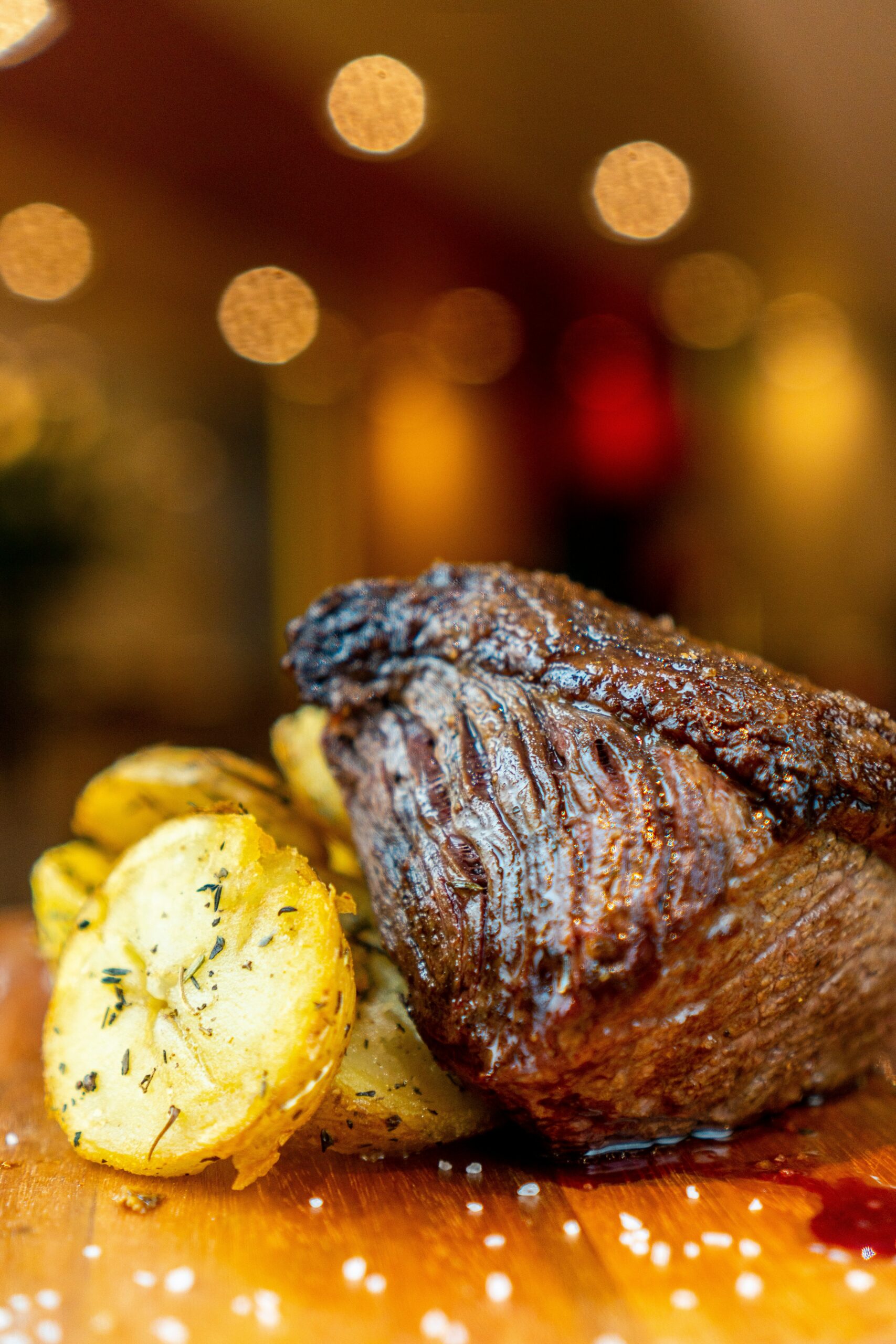

Recipe and Photo Credit: Sarah Douek for Kosher.com
Jewish culinary traditions reflect the diverse cultures and communities where they’ve developed. As families settle in different parts of the world, recipes evolve to incorporate local ingredients, flavors, and cooking techniques. Even familiar dishes like latkes and sufganiyot may taste or look different, but they still carry the same cultural significance no matter where in the world they’re made.
Other Jewish families introduce entirely new dishes to their Chanukah table. Instead of sufganiyot, Italians Jews might celebrate with Crescentine Bolognesi, fried dough rectangles that can be served either sweet or savory. Another popular dessert is sfinj, a type of powdered donut with a long history in Moroccan cuisine. These powdered donuts are a favorite of Morocco’s thriving Jewish community, but families anywhere can enjoy the recipe this Chanukah.
What Makes Sfinj Special?
Many Chanukah dishes are fried in oil, honoring the Miracle of the Oil at the heart of the holiday. Fried donuts are a particular favorite, but there are countless ways to fry dough—what is it that makes sfinj unique?
Sfinj are shaped like rings, with a spongy texture and a lightly crisp exterior. Unlike sufganiyot, they aren’t filled with jelly; instead, they’re served plain, sprinkled with sugar, or drizzled with honey. They’re also often enjoyed with a cup of hot mint tea. The origin of sfinj was allegedly a mistake: according to one popular legend, a baker accidentally dropped a ball of dough into a pan of hot oil.
Whether the origin story is true or not, sfinj has become a popular dessert in Morocco and, for Jewish families, a classic Chanukah dish. It’s a tasty, simple choice for anyone looking to expand their menu with food from other cultures this holiday season. Sareh Douek shares her recipe for this traditional fried donut below:
“This recipe brings back memories of when I lived in Israel, and I went to visit my cousin on Chanukah,” said Sarah Douek. “She had a Moroccan friend over who was making sfinj. I watched her measure her ingredients by hand instead of using a measuring cup. I quickly got a pen and paper and wrote down what she did. The sfinj came out delicious! I had to make it a few times until I got it right, and it was worth the effort. The dough is airy, sticky, and bubbly. That’s exactly what this dough is all about. It takes effort to make, but it’s worth it. I hope you enjoy it.”
Yield: 14 donuts
Ingredients
You Will Need
- 3 cups Tuscanini Flour
- 1 egg
- 1/2 teaspoon baking powder
- 1/2 teaspoon salt
- 2 tablespoons Boondocks Whiskey
- 1/2 teaspoon vanilla extract
- 1 cup warm water
- 1 teaspoon yeast, dissolved in 1/4 cup warm water with a sprinkle of sugar
- 4 cups of oil, such as Gefen Canola Oil, for frying, plus two tablespoons
- confectioner’s sugar, for dusting (optional)
Directions
- In a medium-size bowl, place flour, egg, baking powder, salt, whiskey, vanilla extract, warm water, and yeast. Mix until it forms into a dough. Let it rise for one and a half hours, until it doubles.
- Place two tablespoons of oil on a plate. Then put four balls of dough on the plate. The oil helps the dough be less sticky. Make a hole in the middle of each piece of dough with your hands. It should look like a bagel.
- Heat four cups of oil in a six-quart pot. Place on medium heat. Place four sfinj in the pot at once and watch closely until they turn medium brown. Flip them over to cook the other side to the same color, then remove from oil and let the oil drain off. Continue with the rest of the dough.
- Sprinkle with confectioner’s sugar if desired.
Food has always been one way cultural traditions are passed from one generation to the next. Recipes like sfinj repackage familiar flavors in new ways, letting families explore other cultures while staying true to the spirit of Chanukah. After all, the holiday season isn’t always about returning to old favorites; it can also mean celebrating the cultures that make Jewish cuisine so wonderfully diverse.
Written in partnership with Tom White