
A surprising amount of modern retail now revolves around control.
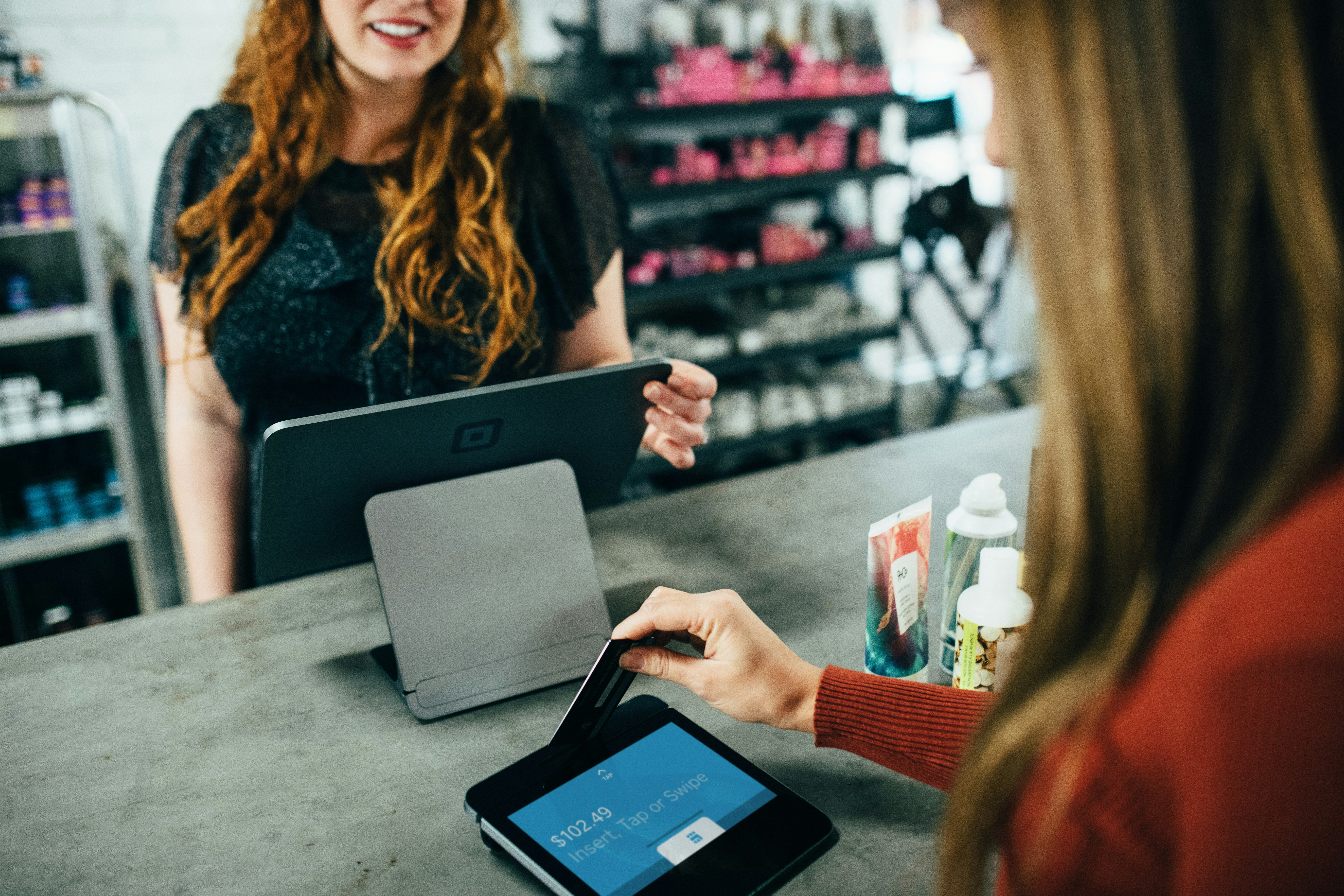
People customize coffee orders through apps before arriving or build restaurant orders ingredient by ingredient on their phones. They check themselves out at grocery stores, select delivery windows, choose payment methods, and expect businesses to accommodate their preferences rather than asking them to adapt to a fixed process.
The appeal is not speed, although speed certainly matters. Instead, it is the ability to move through transactions on one’s own terms.
This change has changed the relationship between customers and retailers. The previous model placed employees at the center of most transactions. But now, consumers want to manage portions of that experience themselves. They want to browse, compare, modify, and decide at their own pace.
The trend extends well beyond e-commerce or large chains. It increasingly influences neighborhood delis, convenience stores, and corner markets that historically relied almost entirely on face-to-face interactions.
Anyone who has stood in a crowded deli during the lunch rush understands the appeal. There is pressure to order quickly when someone is standing in line, and any special requests can become difficult to communicate. Not only does it make the experience more stressful, but it also causes customers to miss out on things like new menu items or promotions in favor of moving quickly.
Self-ordering is the solution. Customers can browse and customize as they please, completing orders without the pressure that accompanies busy retail environments.
National Retail Solutions (NRS), which provides technology services to independent retailers nationwide, recently introduced a self-ordering kiosk designed specifically for convenience stores, delis, and smaller food-service operators. The system allows customers to place orders, customize selections, and choose whether to pay immediately or at the register.
For the Newark, New Jersey-based company, the technology reflects larger changes in customer expectations.
One of the more interesting aspects of self-ordering technology is that it often increases rather than decreases customer engagement. Research has shown that people spend more time browsing visual menus than verbal ones. They consider additional items, explore promotions, and make decisions they might otherwise skip while standing at a busy counter.
The experience also introduces a degree of privacy that some customers appreciate. Whether ordering food, making substitutions, or simply reviewing their options, many people prefer interacting with a screen over feeling rushed during a verbal transaction.
This does not necessarily mean consumers want less human interaction. Neighborhood businesses continue to succeed because of familiarity, relationships, and local knowledge. Customers often visit the same bodega or deli precisely because they know the employees and owners.
What appears to be changing is where customers want human interaction to occur.
The act of placing an order may become more self-directed, while employees spend more time preparing food, answering questions, and assisting customers in other ways. Technology removes some of the friction from the transaction while preserving the relationships that make independent retailers distinctive.

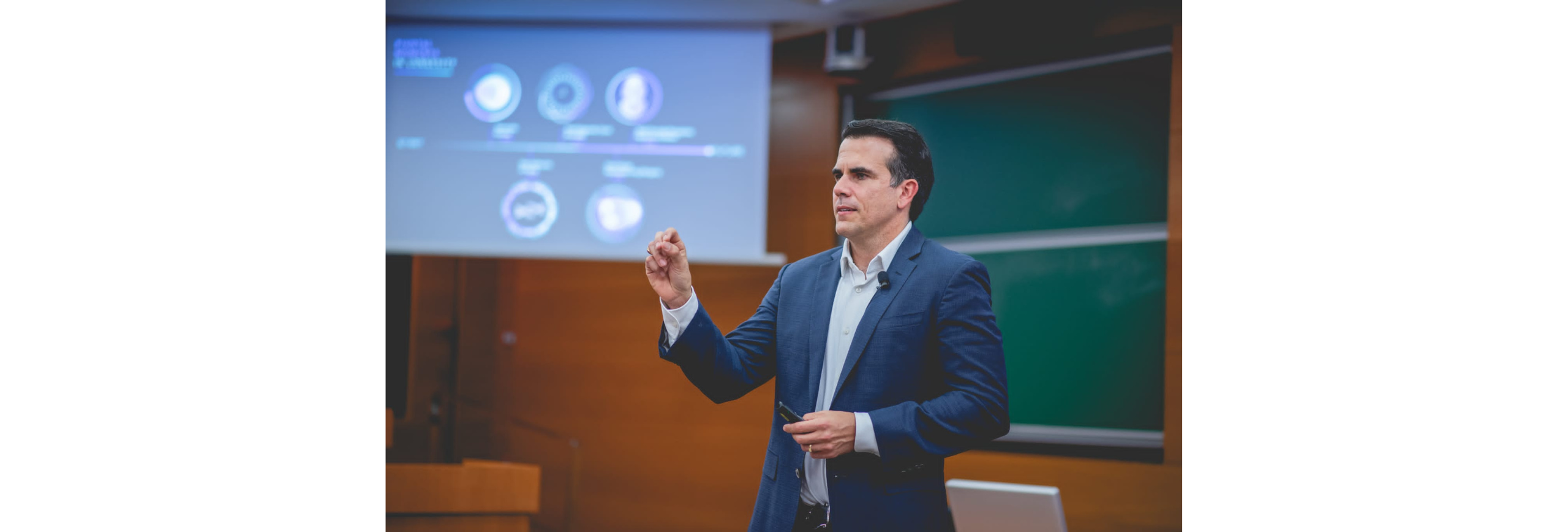
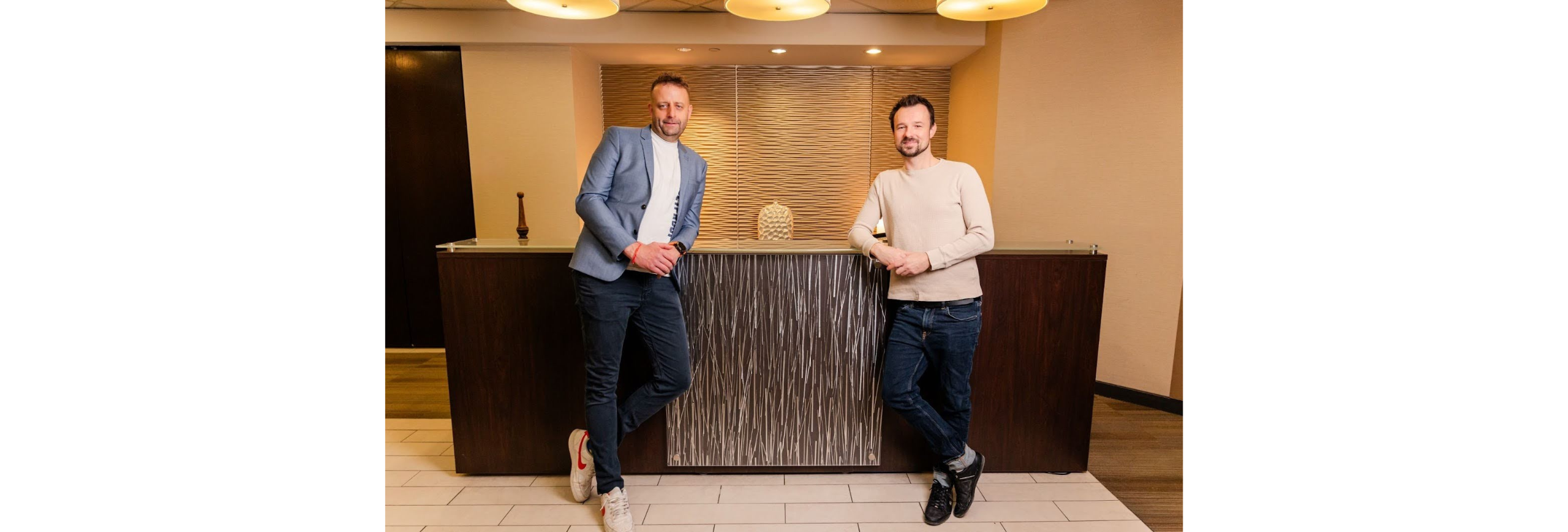
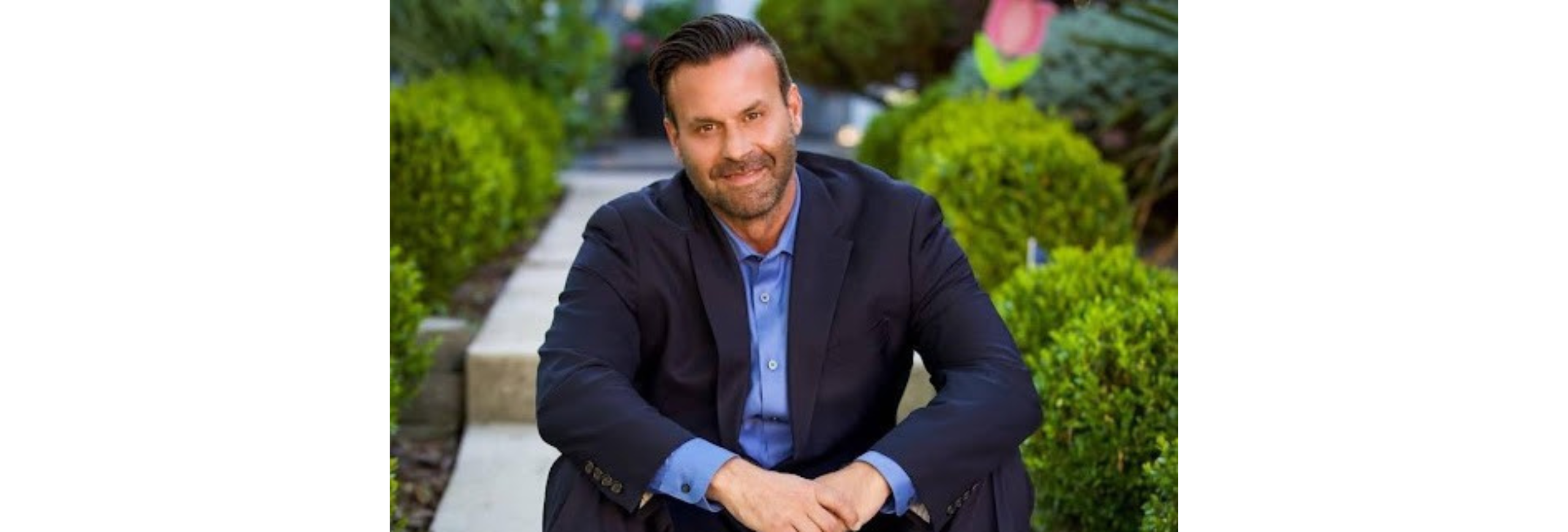
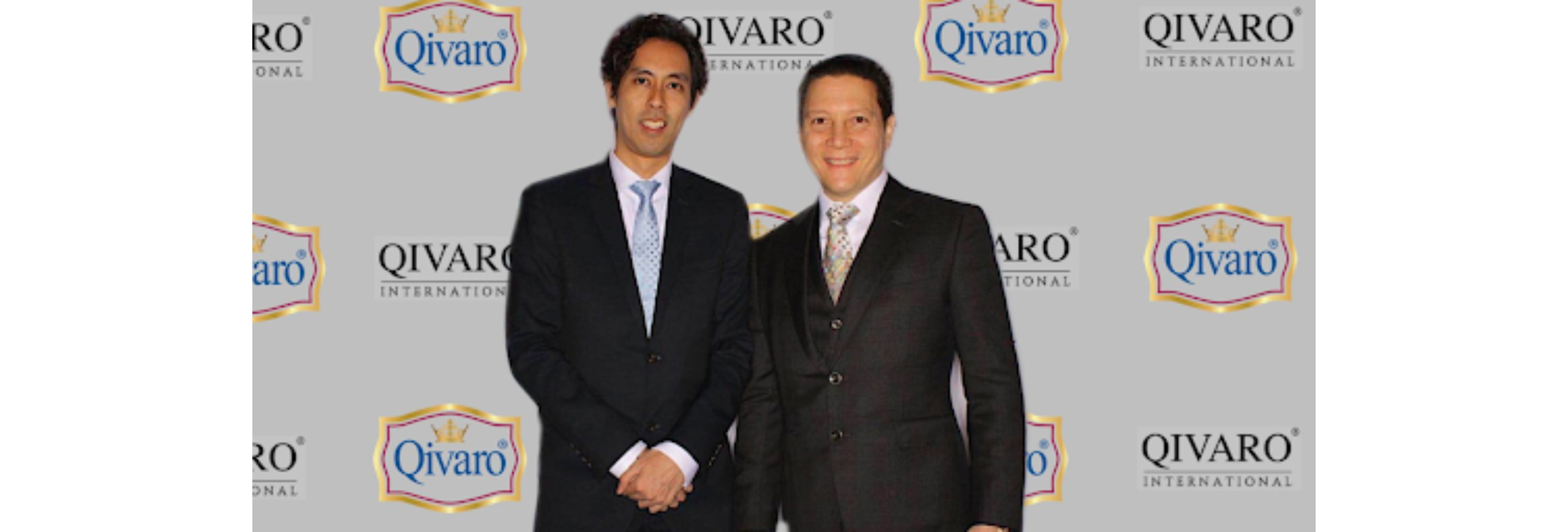
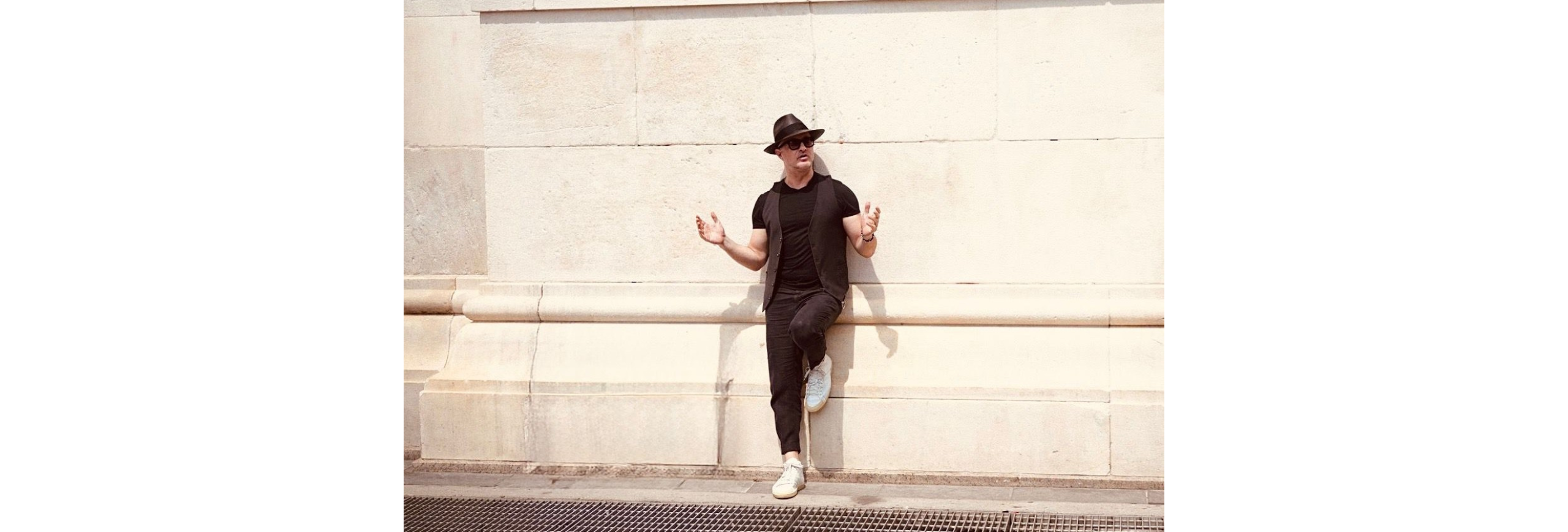
Photo Caption: Elie Y. Katz, founder and CEO of National Retail Solutions (NRS)
Image Credit: National Retail Solutions (NRS)
“Bodegas and neighborhood grocers are the lifeblood of the communities we serve,” said Elie Y. Katz, founder and CEO of NRS. “Our goal is to provide technology that supports those businesses while allowing them to focus on serving their customers.”
The growth of self-ordering may ultimately have less to do with kiosks themselves than with the broader ways people increasingly navigate daily life. Consumers now expect flexibility, customization, and control across countless experiences, from transportation to entertainment to shopping.
Independent retailers have spent decades adapting to changing neighborhoods, customer habits, and economic conditions. The growing interest in self-ordering simply reflects another shift in how people want to engage with the businesses they visit every day.
The future corner store may still know your name, remember your order, and serve the same neighborhood it always has. The difference is that customers expect the ability to place that order exactly how, when, and at what pace they choose.
Written in partnership with Tom White