
It is rare for a memoir to arrive with its own literary device named on the copyright page. Australian-born vocalist Perukua has done exactly that with The Woman Who Found Her Voice, releasing this season alongside an eleven-song original soundtrack. The device, which she has trademarked as Rabbit Hole Storytelling™, descends through three layers of cause behind every event in the chapter that frames it. The result is a book that does something unusual for the genre: it asks the reader to do the same thing the author is doing, in real time, while reading.
What the architecture does
The architecture is built on a single structural premise. Each chapter opens on a moment in the author’s life. Then descends to the immediate momentum behind that moment — the events of the previous weeks and months that brought her to it. Then descends again, to the formative cause behind those events — the older pattern, sometimes decades old, that explains why the immediate momentum took the shape it did. By the third descent, the chapter has produced a kind of vertical map of a single event in three dimensions: present, recent, and formative.
“A book that does something unusual for the genre — it asks the reader to do the same thing the author is doing, in real time, while reading.”
That structure is recognisable to anyone who has spent time in psychotherapy. It is also recognisable to anyone who has worked with autobiographical writing as a practice. What is unusual is that Perukua has made the device the spine of an entire book and trademarked it as a literary technique. To this reviewer’s knowledge, no other working memoirist on the publishing calendar this season is doing that.

The companion album
The book arrives with an eleven-song original soundtrack, with each track mapping onto a chapter. Two of the songs were written specifically for the project. The other nine are pulled from a working catalogue of roughly seventy compositions Perukua has recorded over thirty-five years of performing across more than twenty countries. The album was made with top music professionals — Tom Wasinger (three-time GRAMMY® winner), Heather Holley (Christina Aguilera, Skylar Grey), and Dave Eggar (Coldplay, Taylor Swift, Beyoncé). The pairing of book and album is not new. The structural integration is.
“The pairing of book and album is not new. The structural integration is.”
Why the book reads the way it does
Most memoirs are vulnerable to one of two failure modes. The first is the chronological reconstruction — the writer marches the reader through a life, year by year, and asks the reader to find the meaning. The second is the wisdom voice — the writer extracts the lessons in advance and delivers them, decoupled from the events that produced them. Both failure modes are common. Both are what most memoirs settle for.
The trademarked architecture eliminates both. The chronological reconstruction is impossible — each chapter is built around a specific moment, with the recent and formative material descended into rather than narrated through. The wisdom voice is impossible — the lessons are not extracted; they are demonstrated by the descent. The book reads, as a result, as something between a memoir and a manual for how to look at one’s own life with the same technique.
“The book reads as something between a memoir and a manual for how to look at one’s own life with the same technique.”
The author
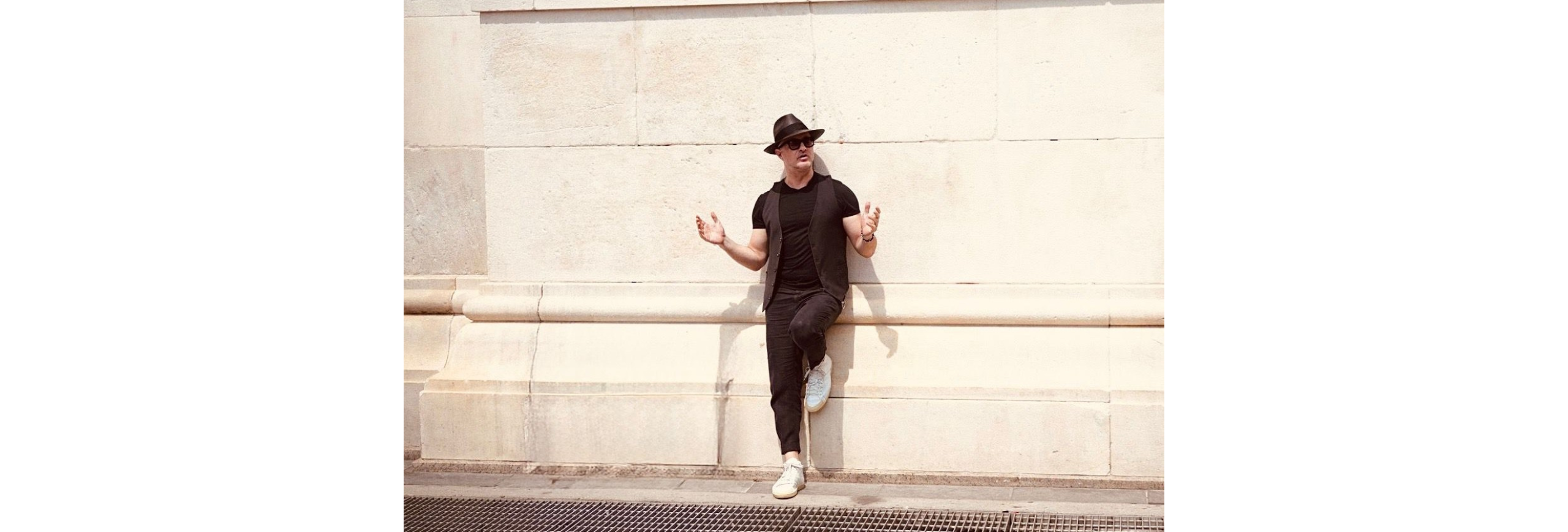
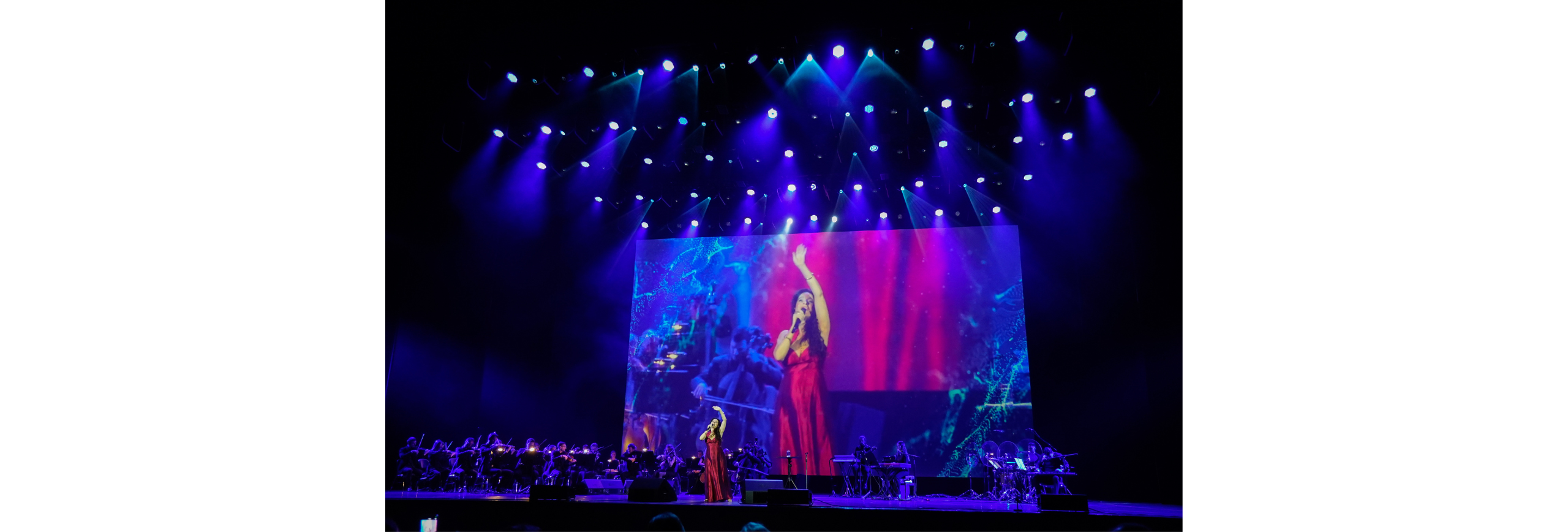
Perukua is a polyphonic vocalist with thirty-five years on stages across three continents and a vocal technique whose measured frequency range, in studio sessions, runs from 50 Hz to 11,812 Hz — close to the practical bandwidth of human hearing. She has performed in halls of up to twenty-one thousand. Her practitioner work has reached more than 200,000 women across sixty-plus countries. The book is her first.
What the form might look like next
Trademarked literary devices have been rare in publishing because the legal protection adds little to the writing. What it does add is a clear signal to the reader, the editor, and the bookseller that the device is the work, not its decoration. If the form is replicated by other memoirists in the next two seasons — and the conditions for replication are straightforward, requiring only an artist with enough material to build the descent and the willingness to write three layers per chapter — the trademarked memoir will probably stop being a curiosity. Whether it stops being effective is a separate question, and the only honest answer to it will come from the books that try.
“The trademarked memoir will probably stop being a curiosity. Whether it stops being effective is a separate question.”
Perukua’s memoir, The Woman Who Found Her Voice, and the eleven-song companion soundtrack will be released this season. More at peruquois.com.
Written in partnership with Tom White