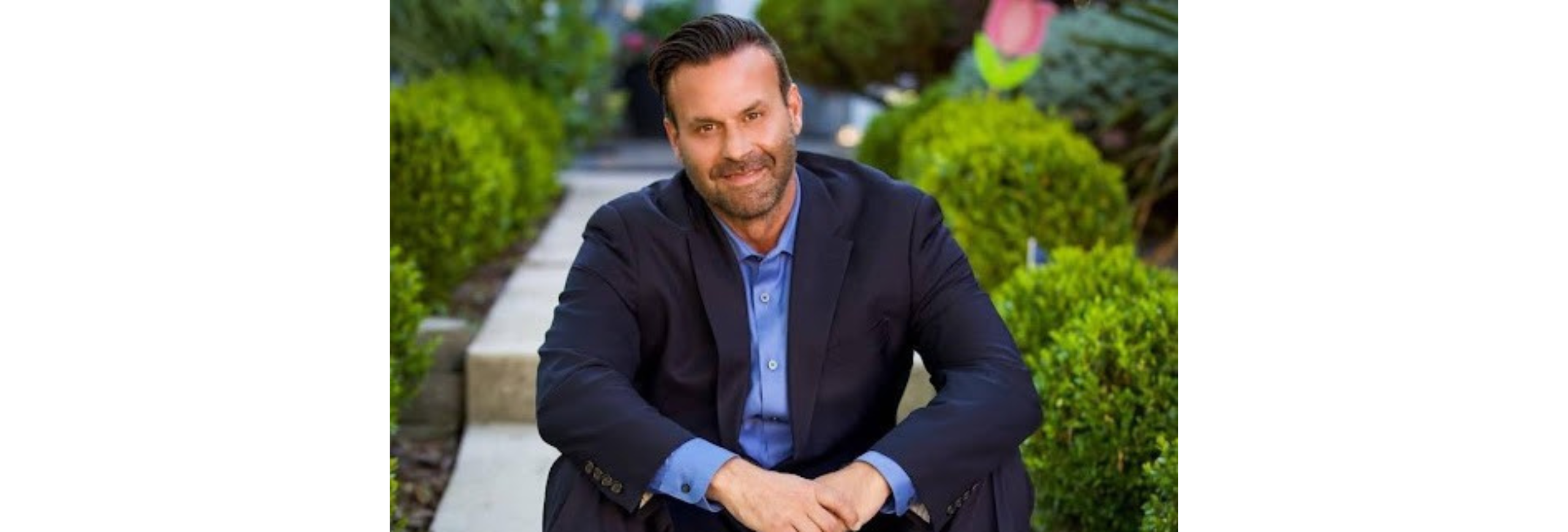

When Ricardo Rosselló became governor in January 2017, Puerto Rico was already in deep trouble.
The government was drowning in debt. Young professionals were leaving the island in large numbers. Public agencies struggled to function efficiently, and confidence in government institutions had eroded after years of recession and budget instability. Congress had imposed a federal oversight board through PROMESA only months earlier, placing Puerto Rico under outside fiscal supervision for the first time in modern history.
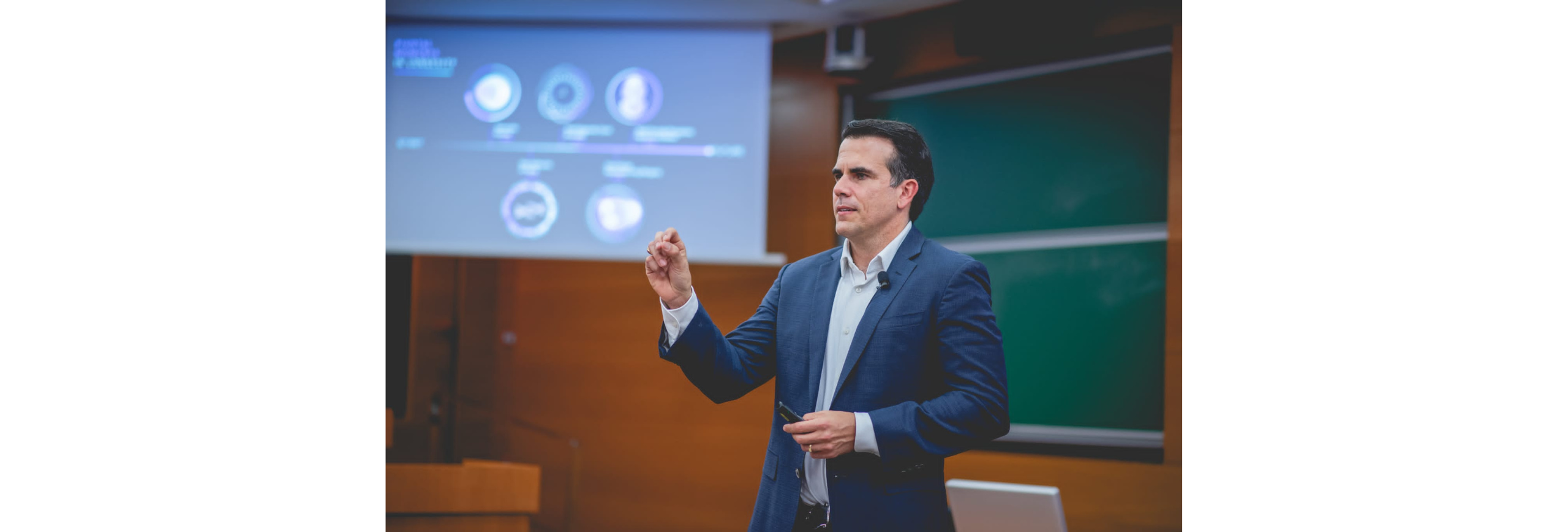
Rosselló arrived with a résumé unusual for Caribbean politics. Before entering public office, he spent years in engineering labs and university classrooms. He studied at MIT, completed graduate work at the University of Michigan, and later conducted stem cell research at Duke University. He had also worked in biotechnology and taught science courses in Puerto Rico.
His administration moved quickly during its opening months. Agencies were consolidated, spending reductions were introduced, and procurement rules were tightened. The government also pushed labour reforms and permit changes intended to attract investment after more than a decade of economic decline. A first fiscal plan for Puerto Rico was approved against all odds.
Then September arrived.
Hurricane Maria and the Collapse of the Grid
In early September 2017, Hurricane Irma passed just north of Puerto Rico, causing widespread power outages and damaging portions of the island’s already fragile electrical infrastructure. Despite the impact, Puerto Rico recovered swiftly, rescuing over 5,000 people from the minor Antilles, and even staunch political opponents gave Rosselló high marks.
But less than two weeks later, before full repairs could be completed, Hurricane Maria struck the island directly. The destruction was immediate.
The power grid collapsed almost entirely. Communications systems failed across large areas of the island. Roads disappeared under mudslides. Fuel deliveries stalled as damaged highways prevented transportation trucks from moving freely.
In many places, residents could not contact relatives for days.
The electrical system became the biggest problem. Puerto Rico’s grid had already suffered from decades of neglect before the storm. Maria exposed every weakness at once. Transmission towers fell, substations flooded, and utility crews struggled to reach remote areas with roads washed out.
Government operations shifted almost entirely toward emergency response and recovery.
Rosselló’s administration coordinated with FEMA, the Army Corps of Engineers, local mayors, hospitals, utility crews, and emergency personnel arriving from the mainland United States. Restoring electricity to hospitals and water systems became an urgent priority, as many pumping stations rely on electricity to operate.
Securing Federal Support for Reconstruction
The recovery effort quickly became both political and logistical.
Rosselló spent months meeting with federal officials and members of Congress while Puerto Rico sought reconstruction funding. He testified before congressional committees and publicly argued that the island deserved equal treatment under federal disaster programs, emphasizing that Puerto Ricans are American citizens.
At the beginning, things looked bleak. While Florida and Texas were set to receive significant financial support for their damage, Puerto Rico was originally allocated none.
Despite Puerto Rico entering negotiations with limited formal political power and a deeply polarized Washington environment, the administration built a broad bipartisan coalition that ultimately secured a historic $19.9 billion recovery agreement from Congress—the largest federal grant allocation in Puerto Rico’s history at the time.
Rosselló leveraged relationships across ideological and institutional lines, working with the White House, Senate Democrats, House Republicans, governors, and congressional leadership to align support around Puerto Rico’s humanitarian and infrastructure needs.
Collaboration became a central strategy of the recovery effort, with key allies helping ensure that Puerto Rico was not excluded from critical disaster funding discussions and that reconstruction resources remained a national priority.
Over time, Puerto Rico secured major federal recovery allocations tied to infrastructure repair, housing reconstruction, flood mitigation, and public assistance programs.
The administration also used the rebuilding period to push larger changes in energy policy. In 2019, Puerto Rico adopted renewable energy goals and restructuring measures to reduce long-term dependence on the fragile, centralized grid that failed during Maria.
Governing During Recovery
The recovery effort dominated Rosselló’s governorship, though other policy initiatives continued moving through the government during that period.
His administration reorganized or consolidated dozens of agencies to reduce operational costs. Puerto Rico also established the Office of the Inspector General and implemented procurement reforms to enhance oversight of government spending.
Several social policy changes were enacted as well. Rosselló signed equal pay legislation for women and banned conversion therapy for minors through executive action. His administration also expanded anti-bullying protections and policies involving domestic violence.
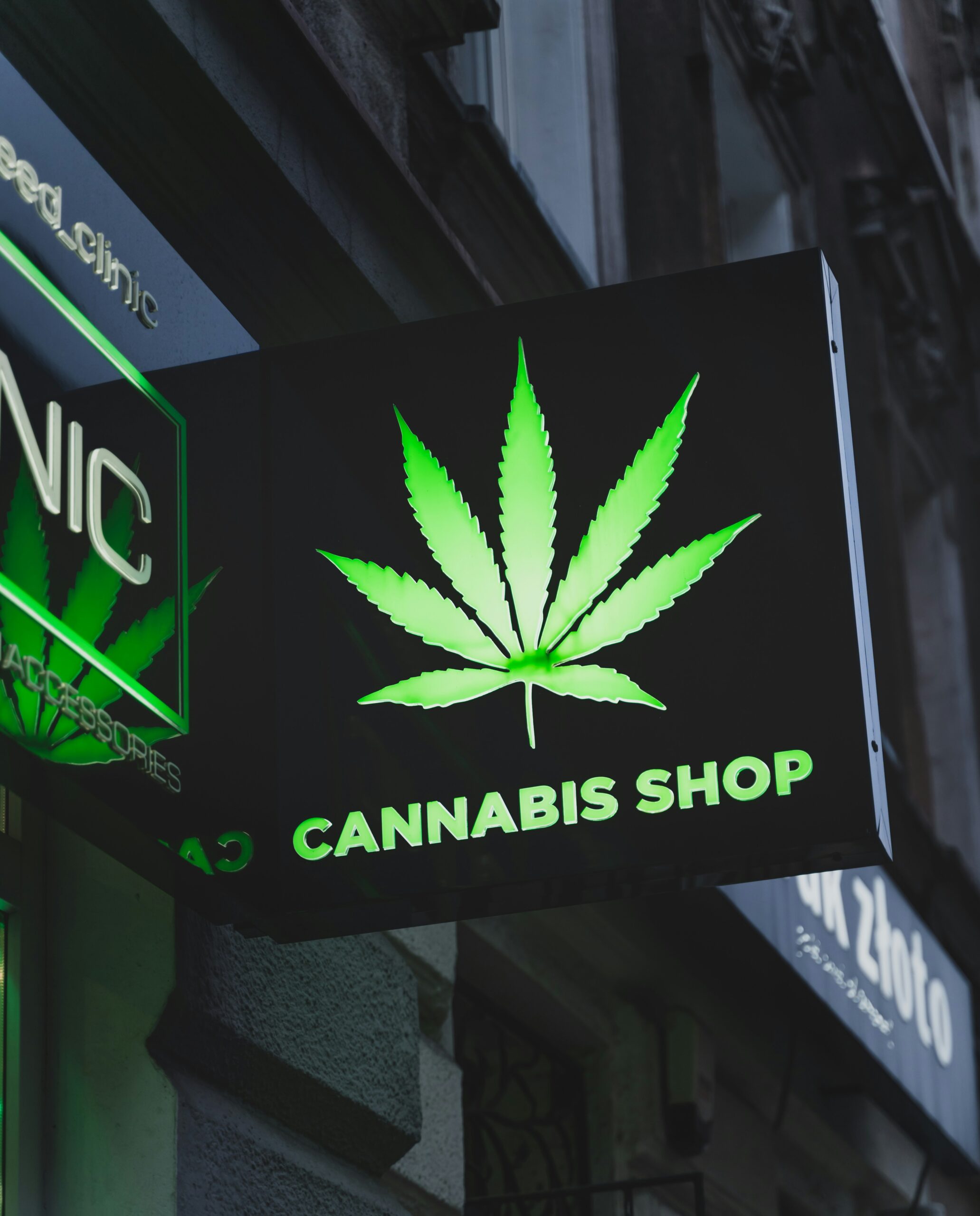
Economic development efforts focused partly on industries the government believed could grow quickly, including medical cannabis, technology ventures, and blockchain-related business activity.
By 2019, Puerto Rico had returned to economic growth after years of contraction, while its unemployment rate had fallen to its lowest level ever.
The Period That Defined Ricardo Rosselló’s Administration
Hurricane Maria marked a turning point in Puerto Rico’s history. The storm caused widespread destruction across the island and required one of the largest reconstruction efforts ever undertaken in a U.S. jurisdiction.
Ricardo Rosselló governed during the most demanding phase of that recovery period. His administration focused on securing federal reconstruction funding, restructuring government operations, and advancing long-term reforms tied to energy, healthcare, education, and economic development.
During his tenure, Puerto Rico set renewable energy targets, pursued government modernization, and recorded economic growth after years of recession.
The scale of the challenges Puerto Rico faced after Maria influenced nearly every major priority of the administration, with Rosselló leading one of the largest recovery and reconstruction efforts the United States has ever seen.
Written in partnership with Tom White