
Most people don’t think about their health information until they need it: sitting in a waiting room trying to remember which medication caused which side effect, or digging through old portal logins to find a lab result from years ago. Life Dash was built by two people who lived that frustration firsthand. Their answer is a platform designed around a simple idea: your health should be easy to understand, organize, and act on, regardless of how many doctors or systems you’ve passed through along the way.
A Platform Born From Personal Experience
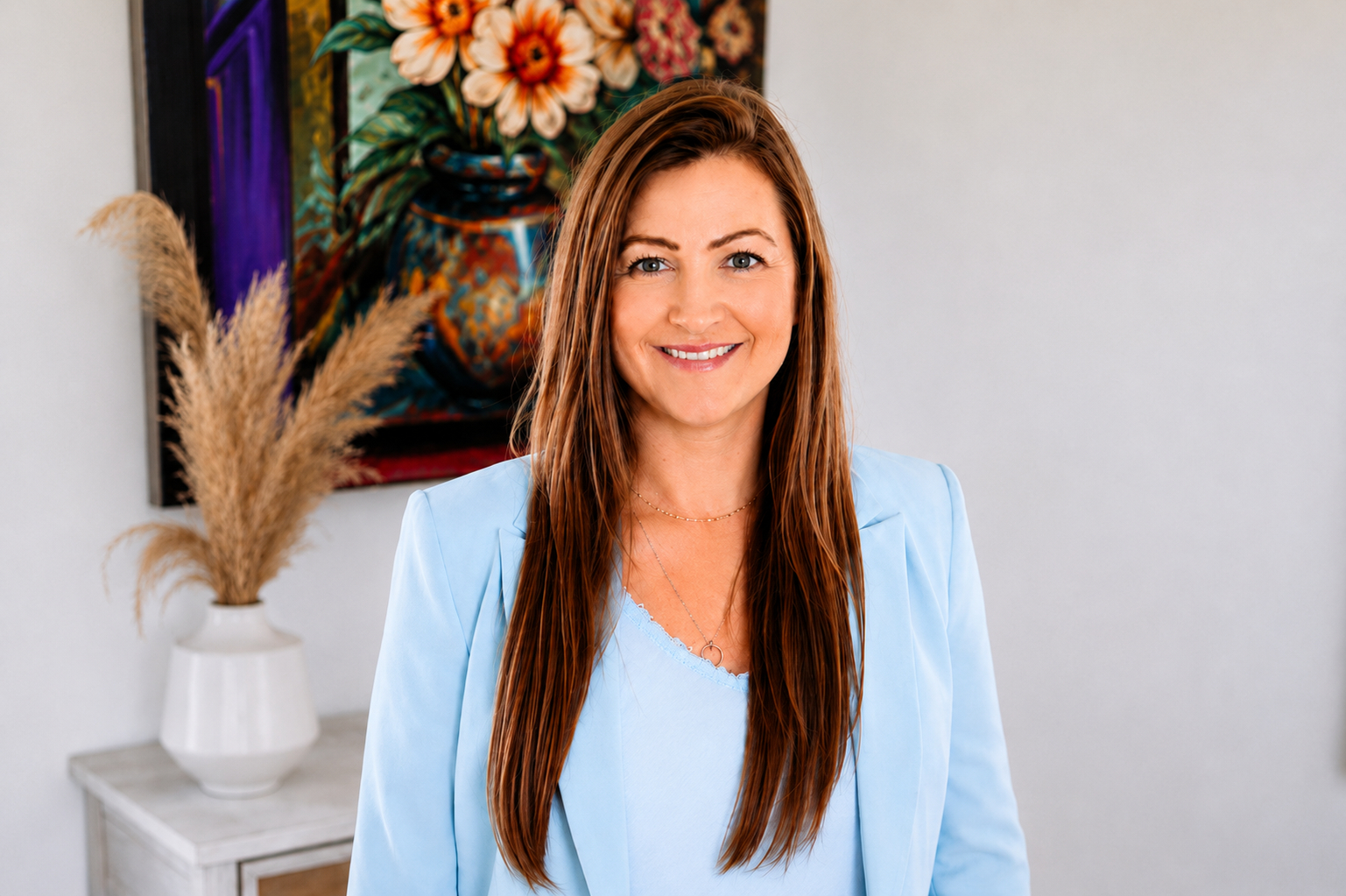
Life Dash was founded by Melissa Petros and Van Sternbergh, who came to the idea not from healthcare backgrounds, but from real life. Melissa’s path to Life Dash grew out of managing a range of health issues after having a child while navigating multiple healthcare providers, each with its own portal, format, and login. Van, whose career was built in international finance, approached the problem differently. He understood that data only becomes useful when it’s organized within a larger context, and began applying that same thinking to one of life’s most personal forms of data: health.
Together, they built the product they wished existed: one that let them own and manage their health information over a lifetime, independent of any single doctor, hospital, or insurer.
That independence is the core of Life Dash’s philosophy. The company doesn’t sell lab tests, supplements, or medical services, and it has no incentive to steer users toward one provider over another. Instead, its mission is to help people organize, understand, and use the health information they already have, while reinforcing, rather than replacing, the relationships they have with the clinicians they trust.
Solving the Right Problems, Not Every Problem
One of the more telling parts of Life Dash’s story is what the founders chose not to build. Rather than a platform loaded with hundreds of biomarkers, endless features, or upsell paths to more testing, they focused on a simpler question most health tools skip entirely: Where do I start?
That philosophy shapes every part of the product. Life Dash brings together medical records, lab results, medications, and scans from multiple providers into a single, coherent place, so users can see their trends over time and prepare for appointments with a clearer picture instead of scattered PDFs.
A tiered, vetted health checklist gives people a starting point that isn’t tied to selling more tests or supplements. Watchlists and cross-graphing tools let users track results and medications side by side. AI-powered file upload and email intake pull in records from virtually any doctor, clinic, or hospital, and everything stays stored and downloadable so it’s easy to share with a provider when it matters.
Built for the Person, Not the System
Much of the health technology on the market today is designed around the needs of insurers, testing companies, or healthcare systems. Life Dash flips that orientation, building specifically around the needs of the individual trying to make sense of their own health journey.
That distinction matters to the people using it. For Anjani, “Life Dash gives me the holistic picture so I know where and how to advocate for myself when I go to my doctor.” Another user, Matt, appreciates not being tied to a single health system to maintain a longitudinal record. For Chris, the platform simply filled a gap he’d been searching for over the years: “I’ve been looking for something like this for decades.”
Where Life Dash Fits into Your Life
Life Dash is designed to make managing your health information an easy part of normal life. Usage naturally varies by circumstance. People managing chronic conditions, adjusting to a new diagnosis or treatment, or navigating a new life stage such as pregnancy or perimenopause tend to check in every one to three months. Others may return every few months simply to keep their record current and review trends.
It’s worth being clear about what Life Dash is not. The platform does not offer medical advice or replace the role of a physician. Its purpose is to strengthen, not substitute, the relationship between patients and the clinicians they already trust, a relationship that remains one of the most important in healthcare.
The Bigger Picture
Life Dash is built on the belief that being proactive about your health shouldn’t require a crisis to get started. Your health is an ongoing story. Understanding it starts with connecting the pieces. When that story is organized and easy to follow, people are more likely to engage with it consistently and make informed decisions with the doctors they choose.
Written in partnership with Tom White