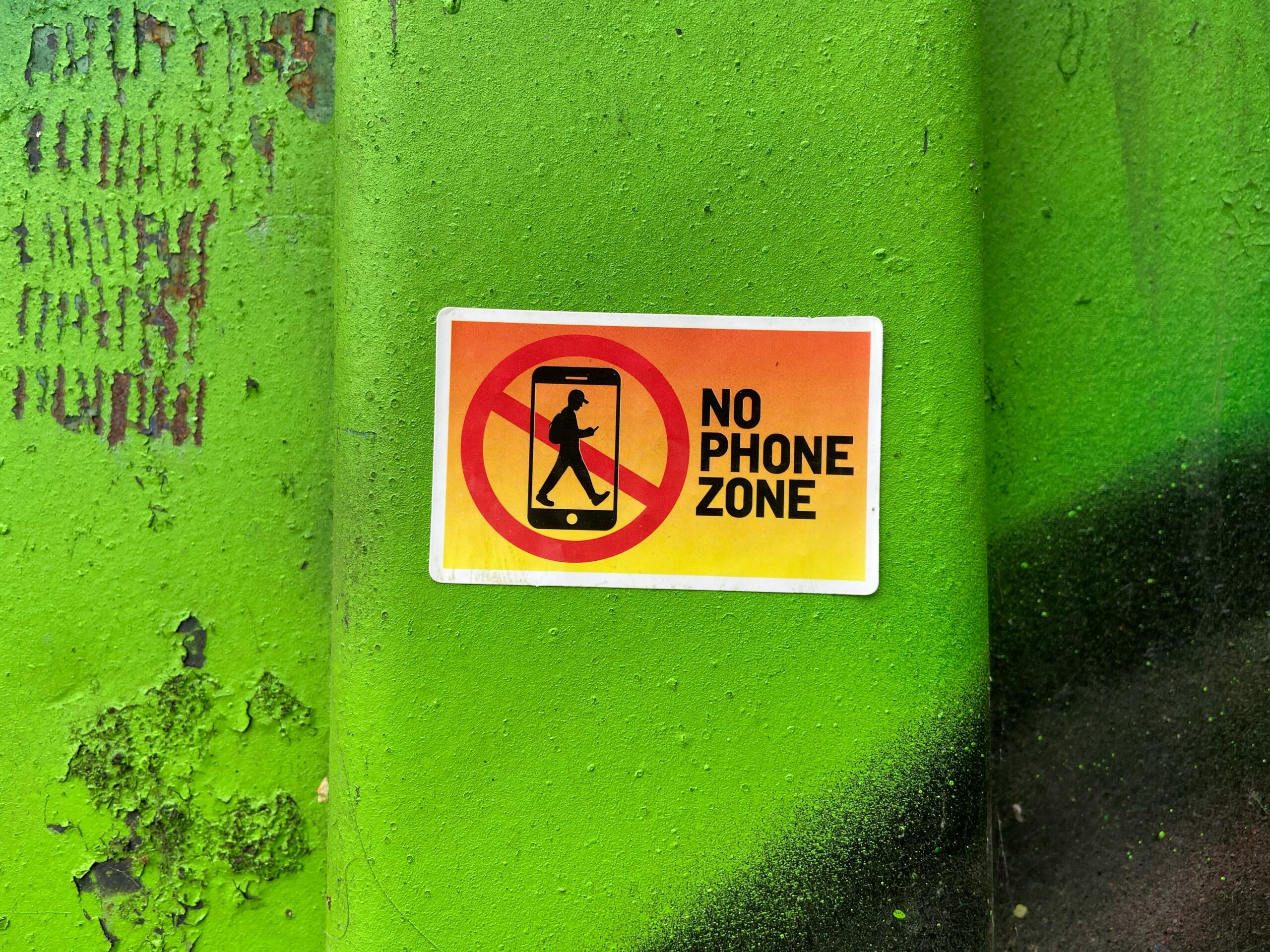

For something that fits in your pocket, your phone takes up a surprising amount of your life.
You check one notification, and suddenly it’s 20 minutes later. You open an app “real quick,” and somehow you’re still there. It’s not that people don’t want to focus—it’s that modern phones are designed to make distraction feel effortless.
That’s the tension Bloom was built around.
Founded by Giancarlo Novelli and Danny Chmaytelli, Bloom didn’t start as a polished startup idea. It started as a frustration. Two UCLA students watching their own time disappear into their screens, trying every app, every limit, every trick—and realizing how easy it was to override all of it.
So they built something that couldn’t be ignored.
A Mission That Feels Personal
Bloom’s mission is straightforward: create a physical layer of digital wellness that gives people back control over their attention, habits, and time.
That might sound like a big promise, but the idea behind it is pretty relatable. Most people don’t struggle because they don’t know they’re on their phones too much. They struggle because the tools meant to help don’t actually change behavior.
Bloom’s approach starts there.
The Product That Came Out of a Dorm Room
The Bloom Card is exactly what it sounds like: a stainless steel keycard. Just a simple object that interacts with your phone in a very specific way.
You pick the apps that tend to pull you in—social media, video platforms, whatever your go-to distractions are. Then you tap the card to your phone, and those apps are locked.
They stay locked until you tap the card again.
And here’s the part that makes it different: if the card isn’t with you, there’s no quick override. No “just five more minutes.” No settings to tweak when your willpower dips.
It turns something automatic into something intentional.
Why That Small Change Matters
Most digital wellness tools live on your phone. Which means, at the exact moment you’re trying to stay focused, you’re also one tap away from turning them off.
Bloom flips that dynamic.
Instead of relying on discipline alone, it creates a small but meaningful barrier. You have to decide to unlock your distractions. And that extra step—physically tapping a card—can be enough to interrupt the habit loop.
It’s not about cutting you off from your phone entirely. You can still text, navigate, work, or do anything you actually need. It just removes the frictionless path to distraction.
Not Too Extreme, Not Too Easy
A lot of existing solutions fall into two camps.
On one side, you have apps that are easy to bypass. On the other, you have more extreme options like lockboxes or switching to a basic phone, which can feel unrealistic for everyday life.
Bloom sits somewhere in the middle.
It doesn’t ask you to give up your phone. It just changes how you access certain parts of it.
That balance is part of why it’s resonating with users who feel like they’ve already tried everything else.
From Dorm Room Idea to Growing Brand
What started as a personal fix has grown quickly. Bloom now has over 60,000 users and has helped save tens of millions of hours that might have otherwise been lost to scrolling.
The company also gained wider attention after appearing on Shark Tank Season 17, introducing the product to a national audience and accelerating its growth.
Today, the Bloom Card is available for $39 with no subscription, and can be found online and through retailers like Best Buy.
Why People Are Paying Attention
Part of Bloom’s appeal is timing. Screen time isn’t a niche issue anymore—it’s something almost everyone is aware of, even if they haven’t found a solution that sticks.
The brand leans into that reality. It’s not positioning itself as a perfect fix or a cure-all. Instead, it offers a different approach—one that feels simple, tangible, and a little harder to ignore.
Their tagline says it best: One Tap To Remove All Distractions.
A Small Object, A Bigger Shift
At first glance, the Bloom Card might seem almost too simple. It’s just a piece of metal, after all.
But that’s kind of the point.
In a space filled with more apps, more settings, and more digital layers, Bloom strips things back. It introduces a physical action into a digital habit, and that small shift can change how people relate to their devices.
Because sometimes, taking back your time doesn’t require more technology.
It just requires a different kind.
Written in partnership with Tom White