
Image Credit: Mark Jupiter
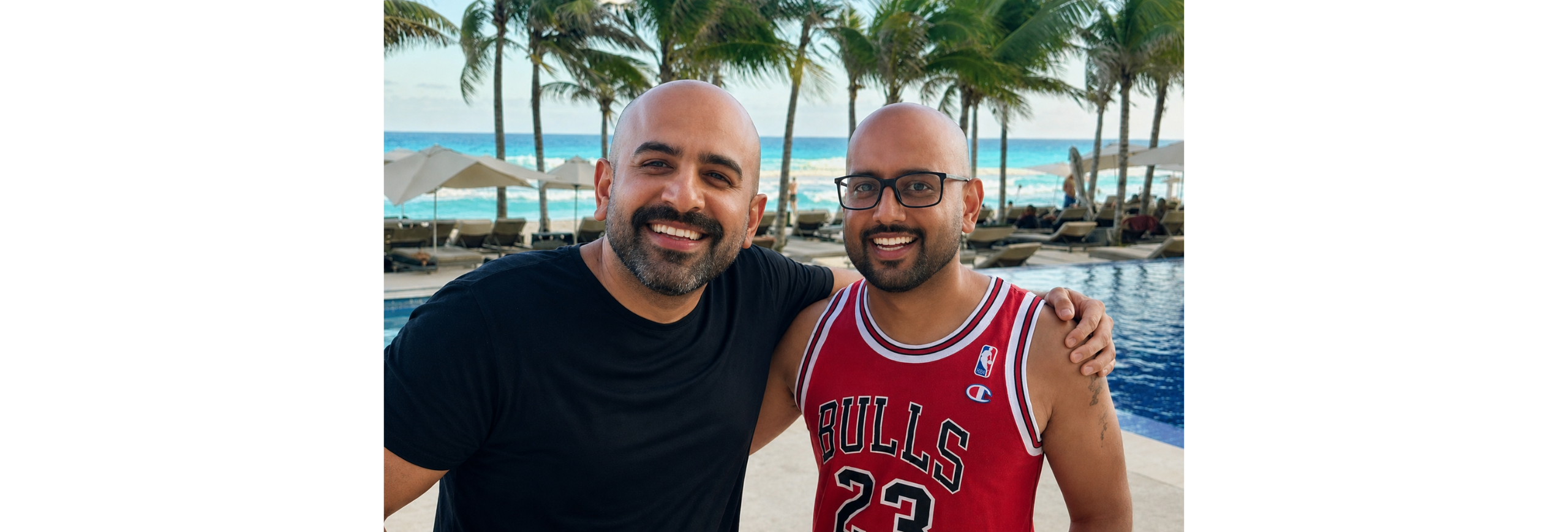
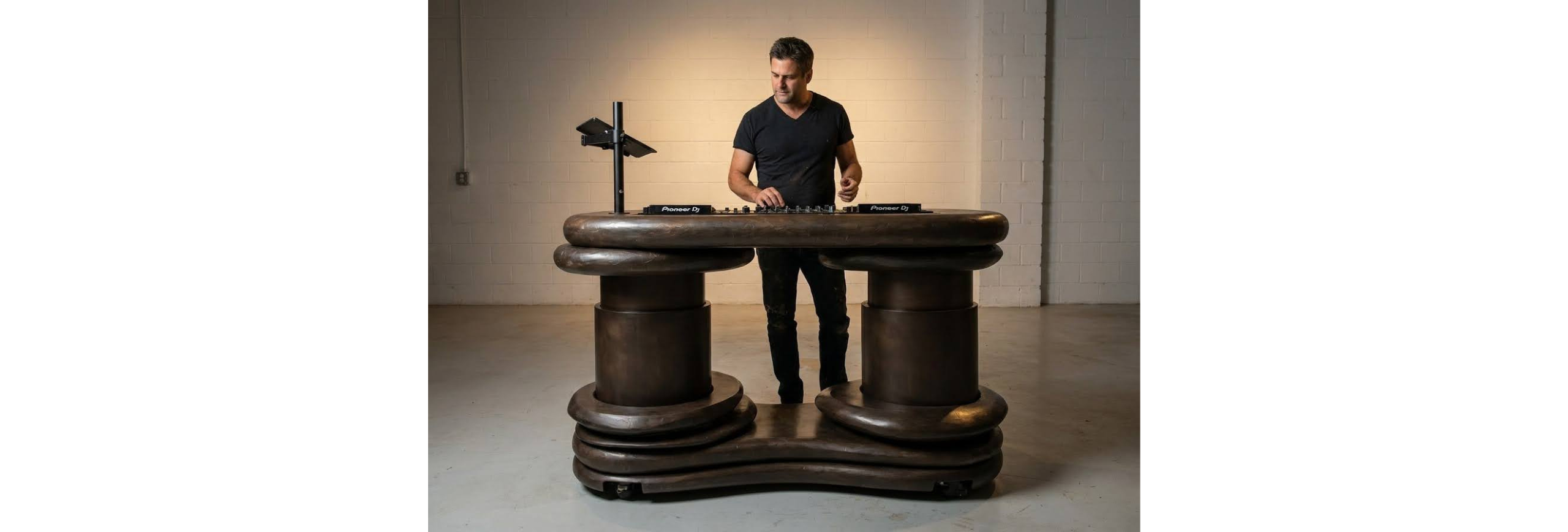
Over the past year, business strategist Terri Eagle has had a front-row seat to the evolution of Mark Jupiter’s Brooklyn studio—from a founder-led workshop into one of New York’s most distinctive design ateliers. Home to a curated showroom, working studio, and expansive fabrication workshop, Jupiter’s Dumbo headquarters is where private clients, architects, interior designers, hospitality groups, luxury brands, and commercial developers collaborate with him to create one-of-a-kind furniture, architectural millwork, sculptural installations, and custom interiors.
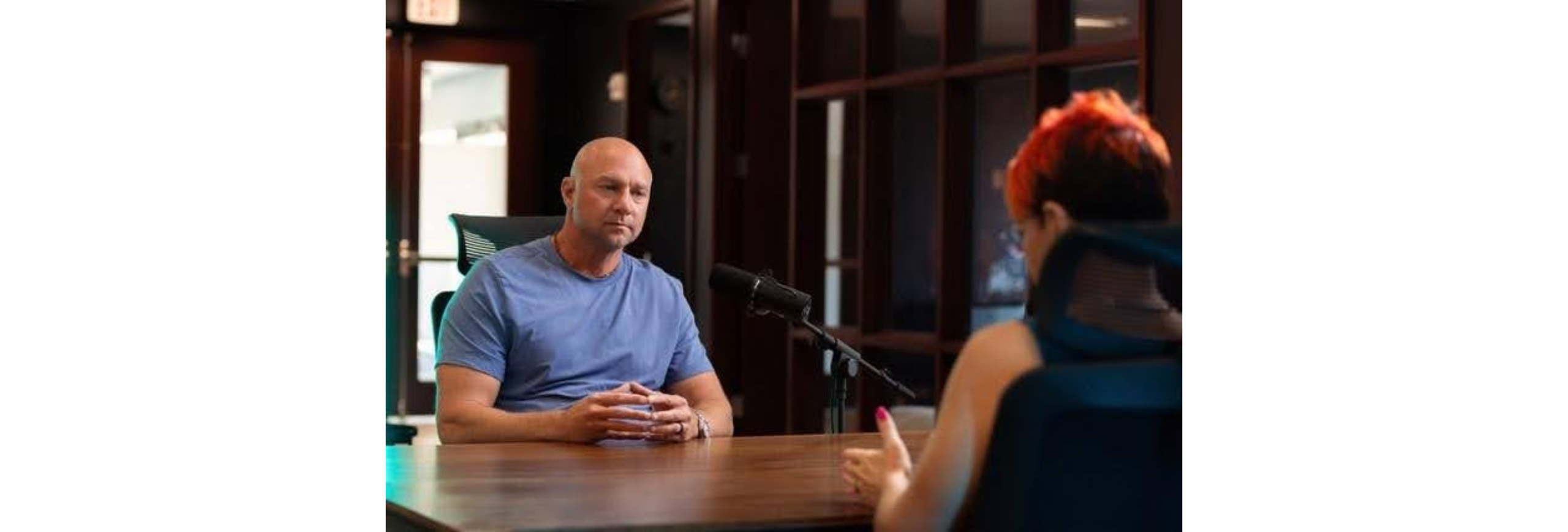
Rather than interviewing Jupiter as an outsider, Eagle approaches the conversation as someone who has spent months helping build the business behind the craft. The result is less an interview than an ongoing dialogue about design, entrepreneurship, and what it means to create objects built to last.
Terri Eagle: The first time I walked into your Dumbo studio, I realized it wasn’t simply a showroom—it felt like a working atelier. Clients aren’t just browsing furniture; they’re surrounded by designers, artisans and makers bringing ideas to life. People come here to commission everything from sculptural furniture and architectural millwork to hospitality, retail and residential interiors. Was creating that kind of immersive design environment always your vision?
Mark Jupiter: Absolutely. Years ago I walked into a furniture store in Dumbo where the showroom opened into a small workshop. I’d never seen that before. It made me realize the making was just as compelling as the finished piece. When I opened my own studio, I wanted clients to experience both – the beauty of the furniture and the people behind it. That transparency became part of who we are.
Eagle: Your work often feels like sculpture disguised as furniture. Did you ever think of yourself as a furniture designer?
Jupiter: Never. I started as a sculptor. In my twenties I decided to build a house knowing almost nothing about construction. I literally bought Home Building for Dummies and approached it as sculpture. When it came time to sell it, I exhibited it through an art gallery instead of listing it like real estate. That’s how I’ve always thought. I don’t really make furniture, I make sculptural objects people happen to live with.
Eagle: Your clients include Hermès, Kith, luxury hotels and private collectors. What connects those relationships?
Jupiter: Trust. Ronnie Fieg commissioned one coffee table years ago. Today that design appears throughout his homes, offices and stores around the world. Whether it’s a single piece for a family or an entire headquarters for a global company, I approach every project the same way. Quality isn’t something that changes with the size of the client.
Eagle: We’ve spent a lot of time talking about growth, but one thing that surprised me is how little you separate the artist from the entrepreneur.
Jupiter: For a long time I thought I had to choose between the two. Eventually I realized they’re the same thing. Building a business allows me to continue making the work I love. Craft remains the company’s greatest point of distinction
Eagle: Craftsmanship has become culturally relevant again. Why now?
Jupiter: I think people are tired of disposable things. We’ve spent decades buying products designed to be replaced. People want something with permanence again. They want objects with stories; things they’ll keep for decades instead of seasons. That’s not nostalgia. It’s authenticity.
Eagle: As we’ve worked together, one thing we’ve discussed repeatedly is how to scale without losing that authenticity. How do you protect it?
Jupiter: By hiring people who care as much as I do. Years ago I was the only one finding imperfections. Today my team comes to me and says, “This walnut isn’t right,” or “That finish needs another pass.” That’s when I know the culture is healthy. They take ownership of the work instead of simply completing a task.
Jupiter: You’ve worked with founder-led businesses across many industries. What did you see when you first walked into mine?
Eagle: I saw a business that had already earned extraordinary credibility through its craftsmanship. The opportunity wasn’t to change the product, but to build the business around it. My role has never been to make Mark less of an artist. It’s been to create the systems, structure and operational foundation that allow his work to reach more people without compromising what makes it exceptional.
Eagle: When someone encounters your work for the first time, what do you hope they feel?
Jupiter: Connection. People think they’re buying a table or a desk, but that’s never really what they’re responding to. We often say we build pieces that reflect who people are. When someone lives with one of our pieces every day, it becomes part of their life,
their memories, even their identity. That’s what interests me…not just making furniture, but creating objects with enough meaning to last a lifetime.
Written in partnership with Tom White