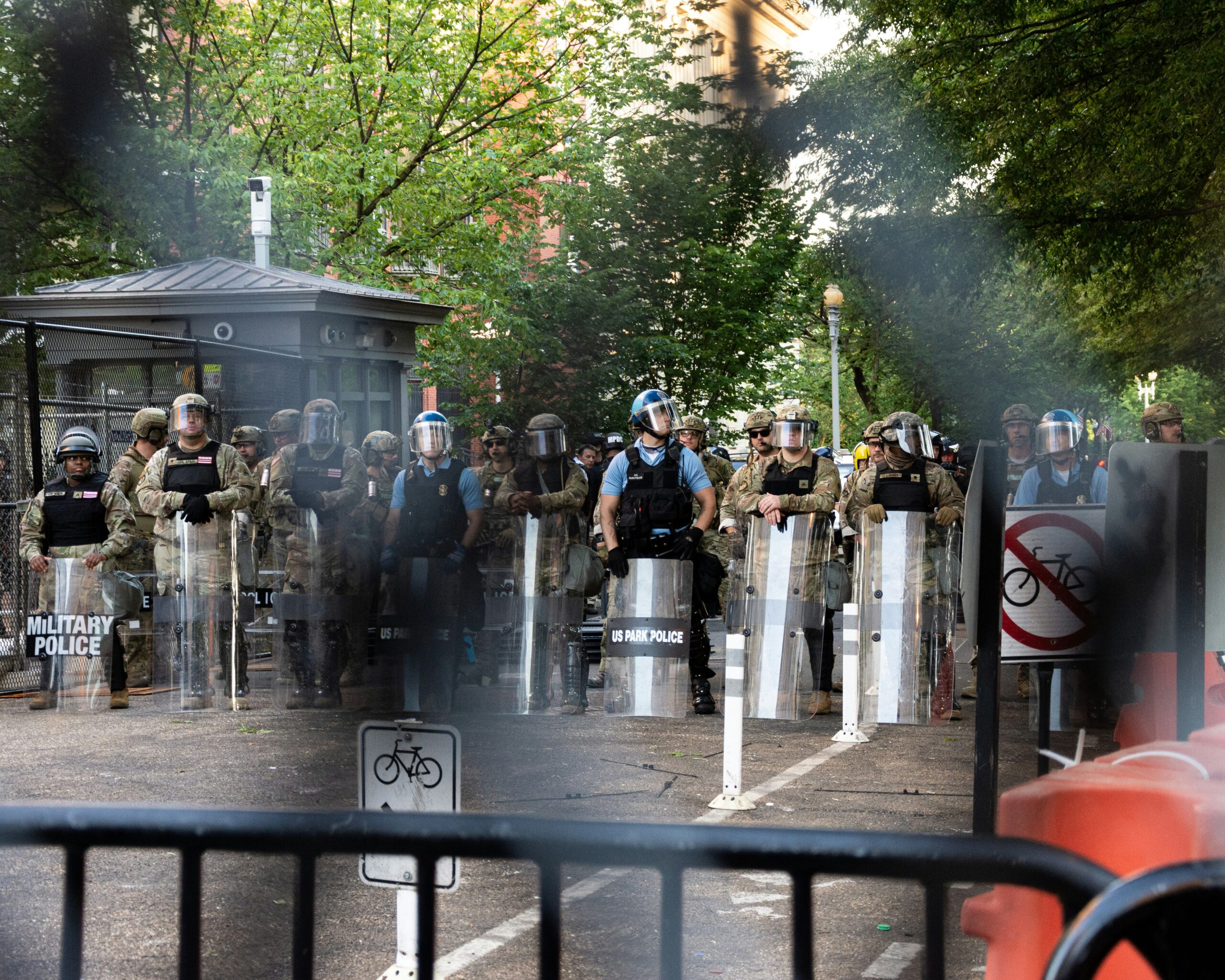

Every day in the United States, an estimated seventeen to twenty-two veterans die by suicide. The Department of Veterans Affairs manages one of the largest healthcare systems in the world, with an annual budget exceeding two hundred billion dollars. Yet for many veterans, outcomes are worsening, not improving. Benjamin Forest, a retired United States Air Force officer and bestselling author whose work is documented, spent twenty-five years inside the system as both service member and patient. Over the course of his career, he was prescribed eight different psychiatric medications. None of them worked. His story forces a difficult national question. If this is the best we can do for the people we send to war, what exactly is failing?
THE VETERAN THEY COULD NOT SAVE
Benjamin Forest’s service record should have guaranteed the best care available. He is a graduate of the United States Air Force War College, a former Pentagon-level officer, and someone who dedicated his entire adult life to national service. Yet when he reached his breaking point, the system he trusted collapsed beneath him. A diagnosis of treatment-resistant depression sounds clinical, but for many veterans, it translates to a far heavier truth. It means standard treatments have failed, and the institution has run out of answers. On Veterans Day in 2019, Benjamin Forest was not celebrating. He was lying in a psychiatric ward after decades of deteriorating mental health while endlessly cycling through appointments, evaluations, and prescriptions that brought little relief.
WHAT THE VA WILL NOT TELL YOU
The VA’s pharmacological model relies heavily on SSRIs and SNRIs, medications that research shows fail for a significant percentage of patients. For veterans experiencing trauma-related symptoms, these medications often provide minimal improvement. The term treatment resistant has become a quiet admission of systemic failure. It signals that the available tools either do not work well enough or are being applied inside a rigid bureaucracy that cannot adapt to individual needs. Veterans report long wait times, overloaded clinicians, inconsistent care, and a one-size-fits-all approach that does not respond to the complexity of trauma.
THE RESEARCH THEY CONTINUE TO IGNORE
While the official system struggles, leading institutions are publishing groundbreaking findings. Johns Hopkins University, New York University, Imperial College London, and Stanford School of Medicine have released clinical data showing dramatically higher outcomes for certain alternative treatments compared to standard medication models. The Food and Drug Administration has issued multiple breakthrough therapy designations to support research into these approaches. Yet the average veteran has no legal, financial, or institutional access to them. The gap between what science is discovering and what veterans are allowed to receive continues to widen. Advocacy groups like Creative Mornings and community-based healing networks such as Alembic Urban highlight these developments, but policy remains frozen.

Image Credit: Benjamin Forest
ONE VETERAN’S UNDERGROUND SOLUTION
After twenty-five years inside the VA system, Benjamin Forest reached a crossroads that thousands of veterans quietly confronted. Should he continue using treatments that were failing, or look for options the government would not provide? The latter path exists in a legal gray zone. Retreats and alternative programs often cost between three thousand and ten thousand dollars. None of it is covered by veteran benefits. The decision becomes stark. Risk your job, freedom, and legal status, or risk your life. The fact that veterans are forced into this calculation is, for many advocates, a sign of national failure.
RESULTS THE SYSTEM CANNOT REPLICATE
After seeking treatment outside of traditional channels, Benjamin Forest experienced a complete transformation. Twenty-five years of depression lifted. He discontinued ineffective medications. At fifty years old, he began functioning at the highest level of his life. His question is simple. If alternatives can help veterans who do not respond to conventional treatments, why is America preventing them from accessing these options? His public story, amplified by networks like Global Psychedelic Week, has pushed the conversation forward.
THE OPPOSITION
The obstacles to veteran access are not scientific. They are political, bureaucratic, and economic. The pharmaceutical industry has little incentive to support alternatives that compete with standard medications. The VA operates within a risk-averse framework that prioritizes compliance over innovation. Federal restrictions prevent meaningful research and legal access. Meanwhile, stigma inside military culture discourages open discussion about nontraditional options. The result is a system designed to maintain the status quo rather than respond to the scale of the crisis.
THE POLICY FIGHT AHEAD
State-level reforms are beginning to shift the landscape. Oregon and Colorado have already created legislative frameworks for supervised alternative treatments. Several other states are exploring similar initiatives. Federal rescheduling conversations are gaining momentum, which could open the door to regulated access for veterans. Right to Try laws, which allow terminally ill patients to access experimental treatments, may one day be adapted for those experiencing severe mental health conditions. For that to happen, Congress and the Department of Veterans Affairs must confront institutional resistance.
THE ADVOCACY MOVEMENT GROWING BEHIND THE SCENES
Benjamin Forest is not alone. Veterans such as Marcus Capone of the VETS organization have publicly shared similar stories. Former military leaders, intelligence officers, and special operations veterans are speaking out. They are urging lawmakers to reconsider outdated policies and expand access to treatments that are already being researched at top medical institutions. The pressure is building. The question is whether policymakers will listen.
WHAT AMERICANS CAN DO
The crisis is not inevitable. Citizens can contact their representatives to advocate for expanded treatment options. They can support organizations providing access to veterans who cannot afford care. They can share accurate information, challenge stigma, and push for government accountability. Mental health should not be a partisan issue. It is a national responsibility.
BENJAMIN FOREST’S CURRENT MISSION
Today, Benjamin Forest works with legislators, veteran nonprofits, and community organizations to reform mental health policy. He provides affordable coaching to veterans, speaks nationally about systemic failures, and continues to advocate for expanded access to treatments supported by research. As he often says, veterans are not asking for experimental treatments. They are asking for evidence-based options that already exist.
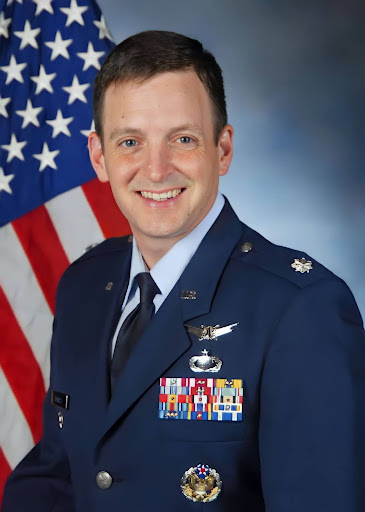
Image Credit: Benjamin Forest
REDEFINING PATRIOTISM
Supporting veterans means supporting every treatment that works, not just the ones that fit existing policy. More than six thousand five hundred veterans die by suicide each year. Benjamin Forest believes America must confront the truth. These deaths are preventable. The final question he poses to the country is direct. We sent them to war. Will we help them heal?
Discover Trip of a Lifetime — a poetic, practical guide to healing, self-love, and spiritual awakening. Start your journey now.
Written in partnership with Tom White