
A New Vision for Health After 50
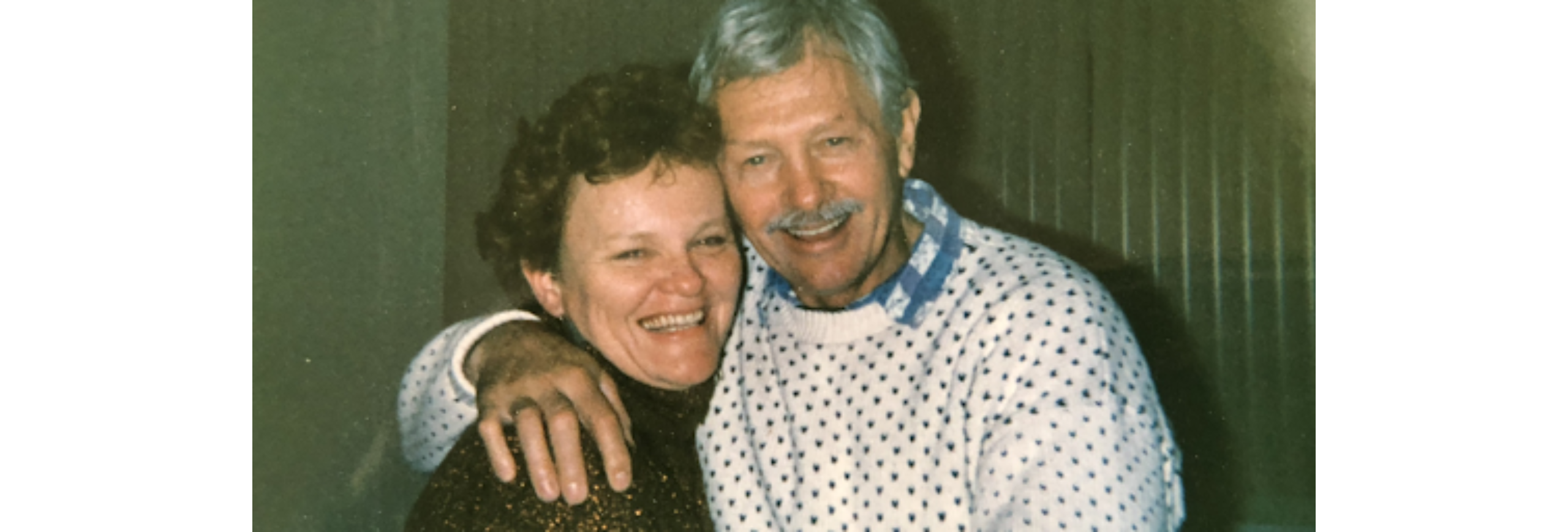
For many adults, reaching the age of 50 comes with an unspoken expectation that health decline and a loss of independence are inevitable. The traditional trajectory often leads from a cabinet full of prescriptions to the doors of an assisted living facility. However, founders Hal Cranmer and Cari Kamp are challenging this narrative with their innovative brand, Thrive At Your Home.
Thrive At Your Home is a global online community and private membership platform created for adults who want to take a proactive approach to their own health and independence, as well as caregivers supporting loved ones at home. While it strongly serves those over 50, the mission is broader: helping individuals improve metabolic health, reduce inflammation, and maintain the ability to live independently at home for as long as possible, at any stage of life.
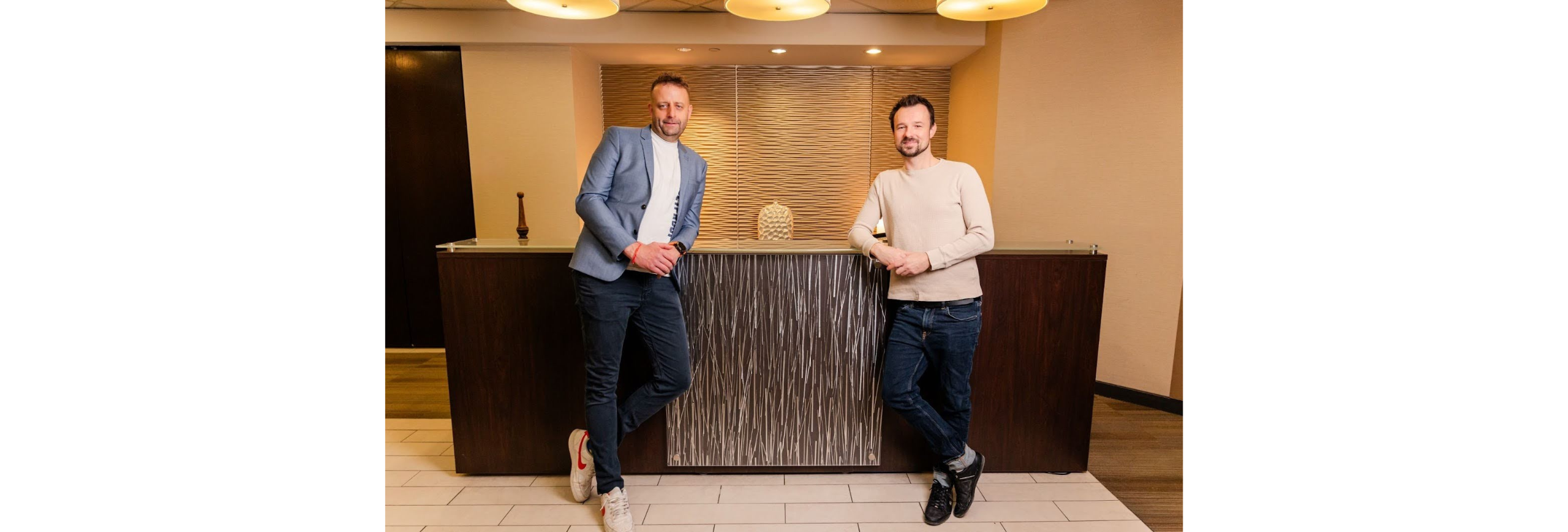
The Founders: Expertise Meets Firsthand Experience
The brand was born from a unique intersection of healthcare and senior care. Cari Kamp, a veteran of the healthcare industry and a certified nutritional health coach, spent years helping individuals address the root causes of inflammation and weight gain.
On the other side of the spectrum, Hal Cranmer owned and managed assisted living homes. He noticed a troubling trend: residents weren’t necessarily declining due to “old age,” but rather due to a lack of proactive support, poor nutrition, and inactivity. He observed that the traditional care industry often manages a person’s decline rather than working to improve their vitality.
Together, they realized that the best way to help people was to reach them before they required institutional care. By combining clinical insight with real-world senior care experience, they developed a proven system that empowers families to take health back into their own hands.
Why Thrive At Your Home Differs from Traditional Care
The modern medical system and many large-scale assisted living facilities often follow rigid guidelines influenced by institutional lobbying and regulatory requirements. Unfortunately, these systems sometimes lack the incentive to help a person become more independent, as higher levels of care often result in higher reimbursement.
Thrive At Your Home breaks this cycle by focusing on proactive wellness. Unlike fitness apps designed for twenty-somethings or support groups that focus solely on managing the symptoms of chronic conditions, this community focuses on:
- Integrated Lifestyle Habits: Rather than a “quick fix” or a restrictive diet, the program uses a weekly structure of habits including nutrition, movement, other therapies, and sleep.
- Early Intervention: The community targets individuals early in their disease progression or those looking for preventive measures. The goal is to mitigate or reverse health issues while the individual is still living at home.
- A Practical Framework: Using their Daily Habits Blueprint, members learn to implement “pantry purges,” resistance training, and other lifestyle changes —simple steps that turn complex science into repeatable daily routines.
The Product: A Global Support System
The core of the brand is its digital platform, hosted on Circle. This isn’t just a collection of articles; it is a dynamic ecosystem where members can access:
- Group Education & Coaching: Live demonstrations of cooking, exercise, and natural therapies.
- Interactive Forums: A space for members to share experiences and for caregivers to find support from others in similar situations.
- The Daily Habits Blueprint: A step-by-step guide to improving insulin sensitivity and building long-term vitality through sugar elimination, sleep optimization, and regular lab monitoring.
- Local Support Groups: The brand is expanding to include localized groups that focus on active prevention and fighting diseases like diabetes and Alzheimer’s through lifestyle changes.
The Financial and Emotional Impact
The benefits of “aging in place” are both emotional and financial. Assisted living and nursing home costs can be astronomical, often draining a lifetime of savings in a few short years. By focusing on metabolic health and strength, Thrive At Your Home aims to keep those thousands of dollars in the pockets of families while reducing the stress and “caregiver burnout” that often accompanies aging.
As the founders often say: “You’re never too old to change your lifestyle and improve your health.” By bridging the gap between medical recommendations and daily implementation, Hal and Cari are helping a new generation of seniors remain strong, independent, and—most importantly—at home.
Written in partnership with Tom White