
In a market saturated with hot tubs that prioritize function over form, one brand is making a splash by elegantly merging aesthetics with wellness. Casa Blui, founded by Andrei Newman, is challenging the conventional look of home spas, asserting that they don’t have to be an eyesore to be hidden away but can instead be a stunning centerpiece of a home’s design.
The Art of the Soak: A New Philosophy
At the heart of Casa Blui’s mission is a simple yet revolutionary concept: to create design-forward wellness products that foster extraordinary experiences at home. “At Casa Blui, we craft elegant, design-forward wellness products that create extraordinary experiences at home,” says founder and CEO Andrei Newman. “While the world races to automate every touchpoint, we’ve chosen to zag — building a brand rooted in genuine human connection. Think of us as your design savvy neighbor who happens to make the world’s most exquisite spas, saunas, and cold plunges.”
This philosophy was born out of a perceived gap in the residential wellness market. For too long, the industry has focused on packing as many jets as possible into a bulky acrylic shell, neglecting the overall aesthetic and its integration into a thoughtfully designed home. Casa Blui’s approach is different. They believe the ambiance of a spa—the lighting, sounds, and smells—is just as crucial as the therapeutic products. Their aim is to bring this holistic ethos into American homes.
More Than a Hot Tub: A Social Sanctuary
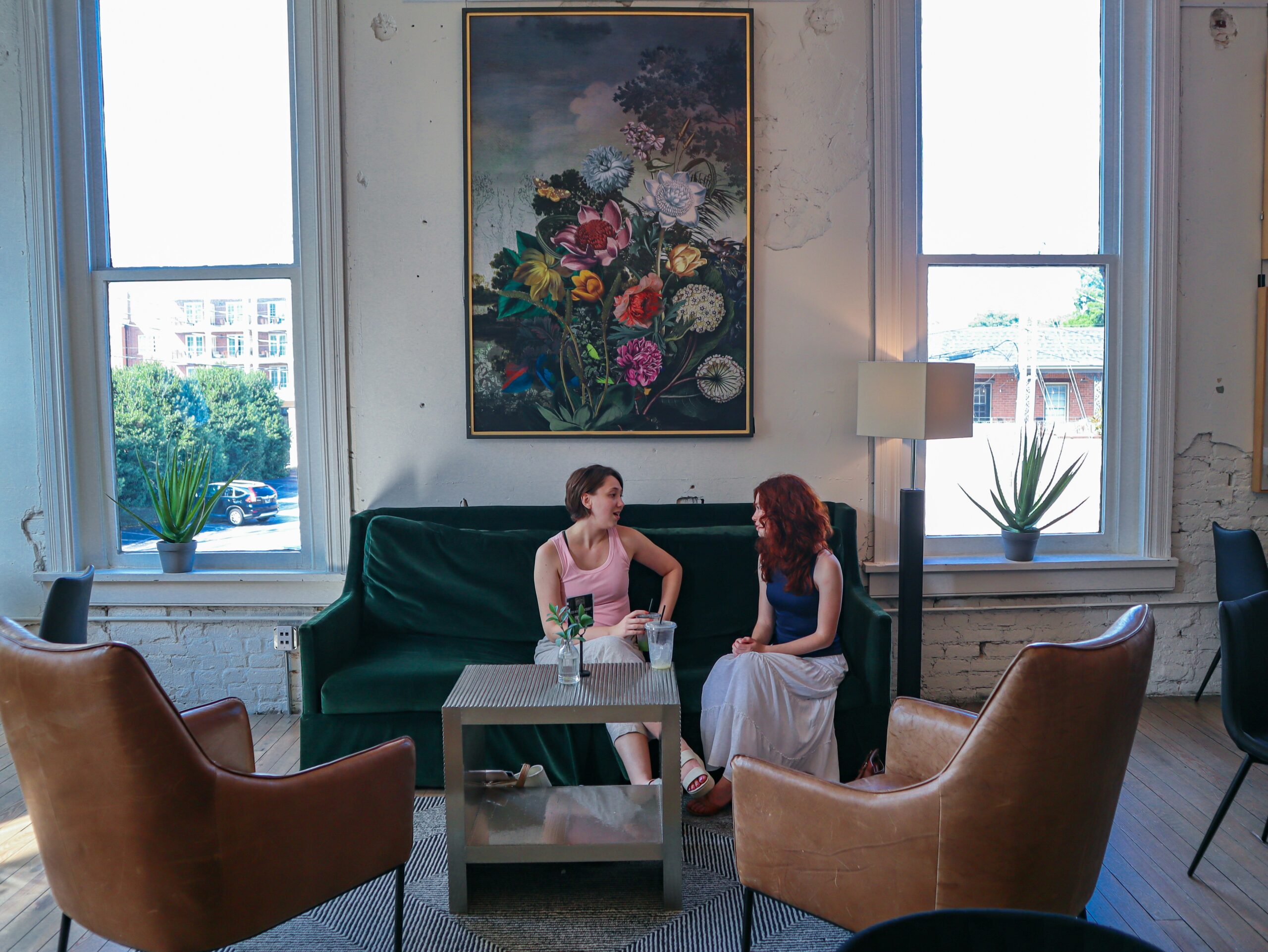
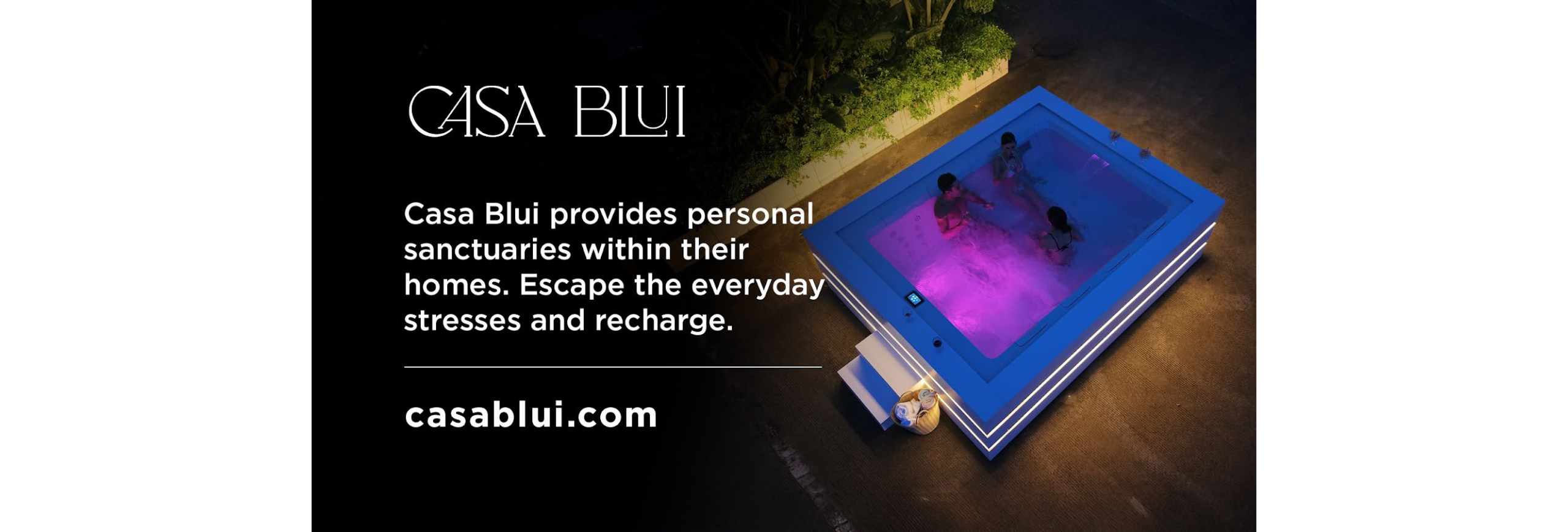
The brand’s new hot tub is a testament to this vision. It eschews the common bulky designs for a sleek, architectural solid surface cabinet that wraps around the spa, complete with ambient lighting. This focus on design doesn’t come at the expense of function. A key differentiator is the open-concept bench seating, which encourages social interaction and connection, a core tenet of the brand’s philosophy. In a world dominated by screens, Casa Blui believes that creating spaces for genuine conversation and family connection is crucial.
The product’s premium features include:
- Powerful Hydrotherapy: Boasting an impressive 80 jets and offering over four distinct types of therapeutic massages.
- Sleek, Modern Design: A gorgeous, architectural solid surface cabinet that elevates any outdoor space.
- Ambient Lighting: Thoughtfully integrated lighting, both inside and out, to enhance the mood and experience.
- Open-Concept Seating: Encourages conversation and connection, moving away from restrictive individual molds.
- American-Made Quality: Designed in the United States with US-based service teams ensuring a premium experience.
- User-Friendly Features: An easily removable cover adds a layer of convenience to the ownership experience.
- White-Glove Service: Nationwide delivery and installation handled by professionals.
The Visionary Behind the Brand
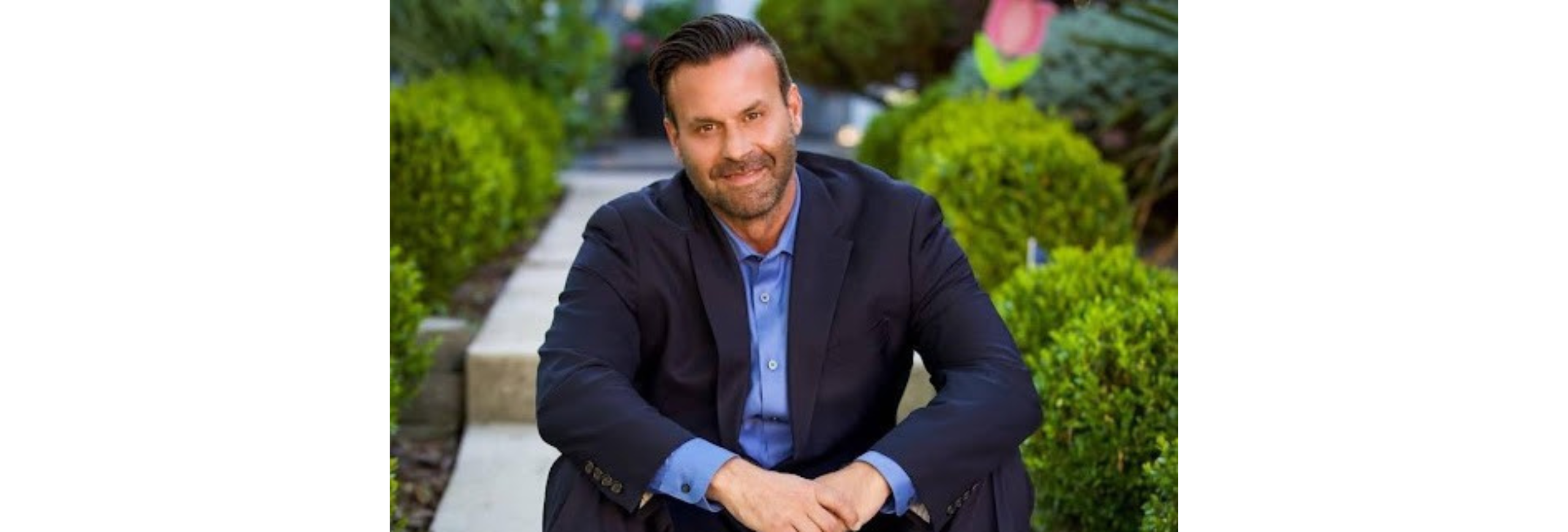
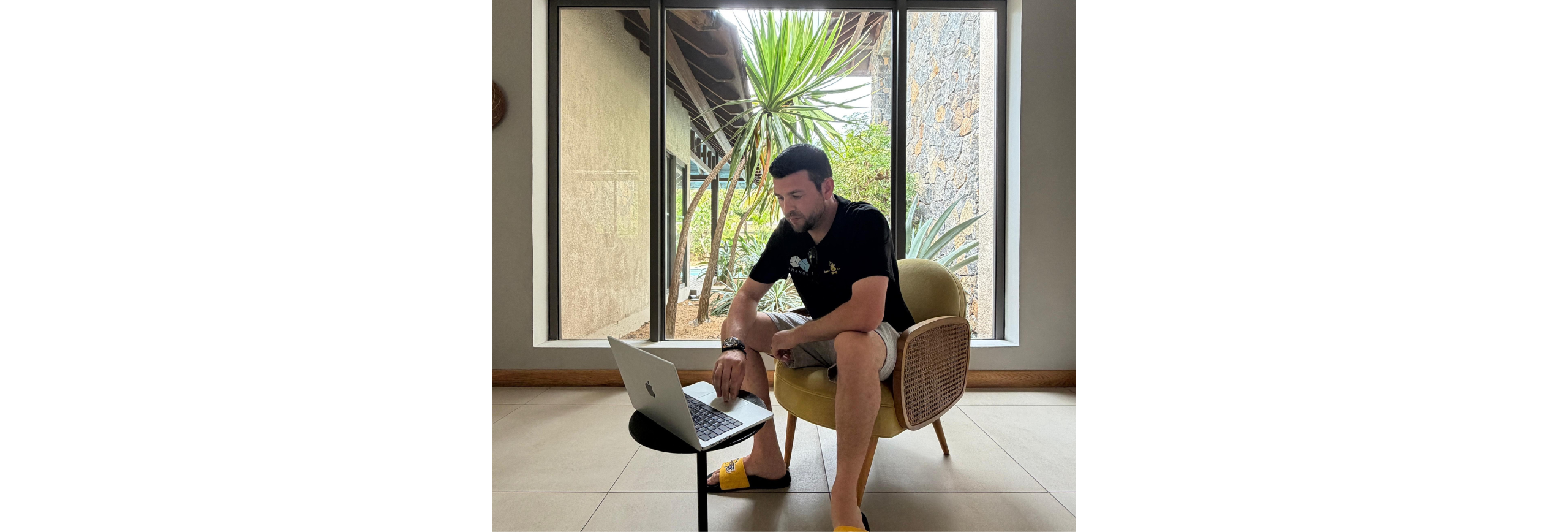
The inspiration behind Casa Blui stems from founder Andrei Newman’s unique background. A Miami native born to Colombian immigrant parents, Newman developed a deep appreciation for human-centered experiences. After a successful career in New York’s tech sector, which included roles at Troops.ai until its acquisition by Salesforce, he founded Casa Blui in 2023. His goal was to introduce thoughtful design, superior craftsmanship, and elevated service to the wellness industry.
Newman’s vision extends far beyond hot tubs. Casa Blui aims to build an integrated system of wellness products encompassing hot, cold, and sound therapies. The long-term mission is to create a holistic “wellness operating system” for the home that supports rest, recovery, and personal rituals. By integrating water and sound technologies, the brand seeks to fuse design and wellness in unprecedented ways.
Casa Blui’s key messages are clear: a hot tub can be a beautiful centerpiece, creating spaces for connection is vital, and wellness is a priority, not a luxury. For those who believe their home should be a sanctuary, Casa Blui offers a refreshing and elegant alternative, proving that high-performance wellness and sophisticated design can, and should, coexist.
Written in partnership with Tom White