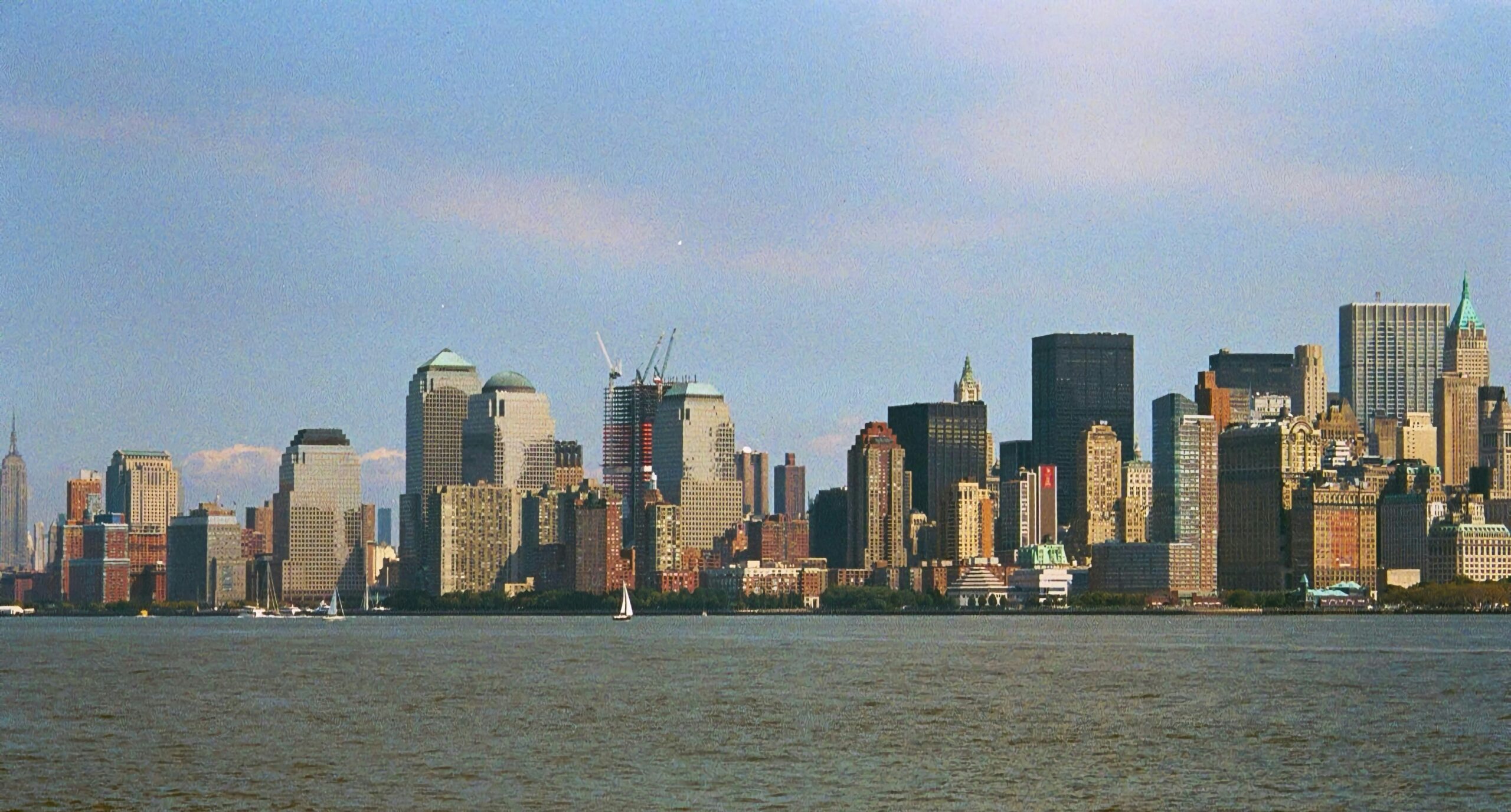

Last year and now into 2026, New York City has once again become one of the most closely watched investment markets in the world, but not because of flashy startups or speculative tech bets. Instead, a different kind of capital is moving in, led by investors who are prioritizing durability, cash flow, and real-world demand.
From laundromats in Queens to logistics hubs in Brooklyn and ATM networks across Manhattan, the story of New York right now is about fundamentals. Investors are no longer chasing what might work someday; they are buying what already works.
This shift is visible across a wide spectrum of high-profile names and operators.
Stephen Ross, chairman of Related Companies, has continued doubling down on mixed-use developments and long-term infrastructure plays tied to Hudson Yards and surrounding areas, focusing on steady occupancy and long-term value rather than speculative expansion.
At the same time, Barry Sternlicht of Starwood Capital Group has been actively investing in distressed and repositionable hospitality assets across New York, leaning into a strategy that emphasizes operational turnaround and reliable cash generation. “Over the long term, New York is going to be super valuable. So if I were a betting person, I didn’t have to make a return in the next four years, I would bet on New York,” he says.
Even younger, tech-oriented investors are pivoting. Josh Kushner of Thrive Capital, long associated with high-growth startups, has shown increasing interest in businesses with clear revenue models and paths to profitability, reflecting a broader recalibration happening across capital markets.
Alongside them are operators working closer to street level, where the fundamentals are often most visible.
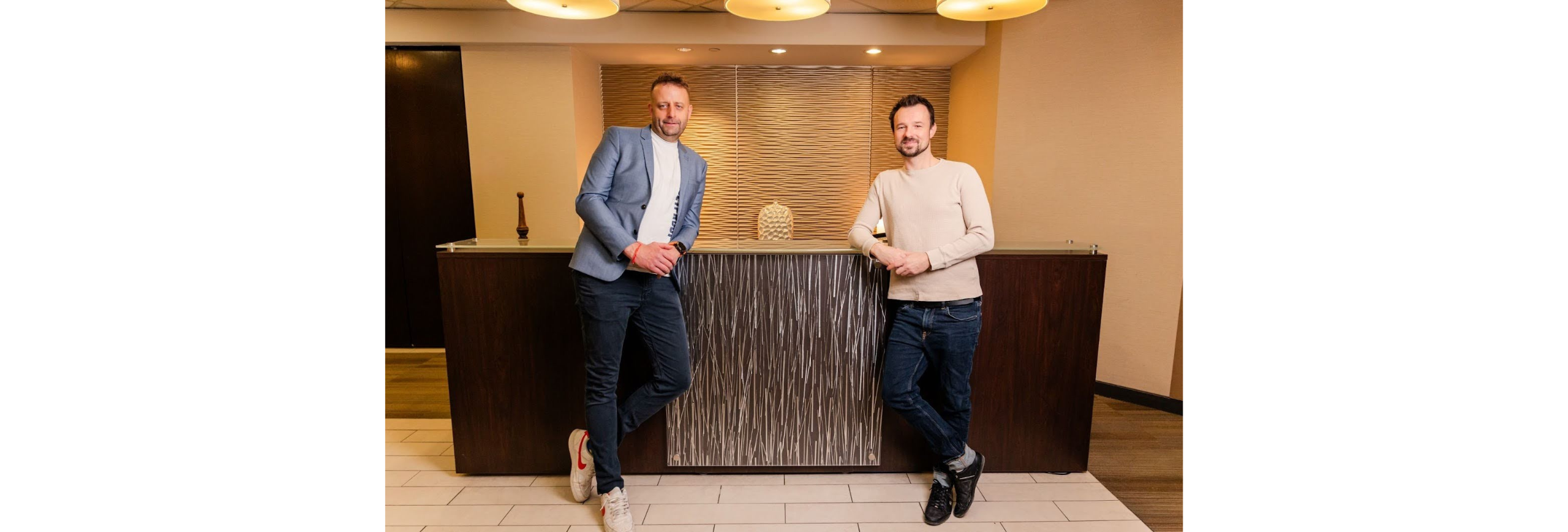
CJ McMahon, founder and CEO of ATMInvestors.com, represents a growing class of investors focused on overlooked but essential infrastructure. His firm now operates approximately 180 ATM units across New York. “Right now, we operate about 180 ATM units in New York,” McMahon says. “Our company focuses on buying existing ATM businesses, structuring them for investors, and then managing the day-to-day operations. So the investor gets access to a real cash-flowing business, but they are not stepping into another full-time job.”

In a city defined by density and constant movement, that model works. “New York is a strong market for us because of the density,” he explains. “You have bodegas, convenience stores, bars, restaurants, nightlife, high foot traffic, and a lot of small businesses where cash still plays a role.”
That same logic is playing out in other essential-service investments. Grant Cardone, founder of Cardone Capital, has remained active in multifamily acquisitions tied to high-demand rental markets, including New York-adjacent opportunities, emphasizing occupancy and predictable rent rolls over speculative appreciation.
Meanwhile, Ryan Serhant, CEO of SERHANT., has been closely involved in repositioning residential and mixed-use assets, with a focus on properties that can generate consistent income in a high-cost environment. He has been using his time in New York to do this, and says, “Every day you have 1,440 minutes. Minutes are your dollars. Invest your time wisely.”
Even institutional capital is aligning with this shift. Larry Fink, CEO of BlackRock, has repeatedly emphasized in 2025 and 2026 the importance of infrastructure, real assets, and income-producing investments, an outlook that directly mirrors the behavior being seen on the ground in New York.
What connects these high-level strategies with operators like McMahon is a shared emphasis on what actually drives returns.
“New York is a no-BS place,” McMahon says. “People there don’t care as much about flash. They care about whether the numbers work.”
That mindset is increasingly shaping how deals are evaluated. Whether it is a billion-dollar development or a single ATM in a busy bodega, the core questions are the same: Is the cash flow real? Are the assumptions grounded? What happens if things go wrong?
“I think a lot of investors are tired of the hype cycle,” McMahon explains. “They’ve seen enough big promises, hot trends, and ‘next big thing’ investments that don’t actually produce monthly income.”
Instead, investors are gravitating toward businesses that already exist and already perform. “People want real businesses, with real assets, real customers, and real cash flow,” he says.
Laundromats and ATMs have become two of the clearest examples of this shift. Both are deeply embedded in everyday life and benefit from consistent demand. McMahon draws a direct comparison between the two: “They are actually pretty similar from a return standpoint.”
However, the difference lies in execution. “ATMs are simpler operationally,” he notes. “Laundromats can produce similar returns, but they have more moving parts.”
That distinction matters in New York, where operational complexity can quickly erode margins. Investors are increasingly factoring in not just potential returns, but the level of effort required to achieve them. Passive or semi-passive investments, such as ATM portfolios or stabilized real estate, are becoming more attractive as a result. “The only reason to save money is to invest it,” says Cardone.
Still, the renewed focus on fundamentals has also sharpened awareness of risk. “The biggest risk in our business is location stability,” McMahon says on his ATM investments. “With ATMs, the location is everything. You are not just buying a machine. You are buying the cash flow tied to that location.”
Across sectors, similar principles apply. Lease terms, tenant quality, operational efficiency, and cost control all determine whether an investment succeeds. In 2025, several deals across retail and hospitality sectors in New York underperformed due to overly optimistic projections, reinforcing the importance of disciplined underwriting.
That is why due diligence has become more rigorous. “The biggest mistake people make is looking at revenue and thinking that is the business,” McMahon says. “Revenue does not mean much if the expenses are ugly.”
Instead, investors are zeroing in on net income, the actual cash left after everything is paid. “We care about what the business actually keeps after every cost is accounted for,” he adds. “That is where the truth is.”
For those entering the New York market today, the message from both institutional leaders and on-the-ground operators is strikingly consistent. Focus on real demand. Understand the numbers. Keep operations manageable. Protect the downside.
“Start with real demand,” McMahon advises. “Do not chase the flashiest idea. Look for something people already need—laundry, cash access, cleaning, food service support.”
That philosophy is now visible across the city. Investors are acquiring laundromats in dense neighborhoods, expanding ATM networks in high-traffic retail locations, repositioning hotels, and consolidating service businesses. The common denominator is not innovation for its own sake—it is reliability.
New York has always been one of the most competitive markets in the world. In 2025 and 2026, that competition is producing something notable: a return to disciplined investing.
“People are not asking, ‘Is this cool?’” McMahon says. “They are asking, ‘Does it make money? Is it durable? Is it backed by real assets? Can I see the cash flow?’”
For a growing number of investors—from global asset managers to local operators—the answers to those questions are leading them back to the same place: the real economy of New York, where substance matters, and performance is everything.
Written in partnership with Tom White